Is it Better to Glue or Nail Skirting Boards?
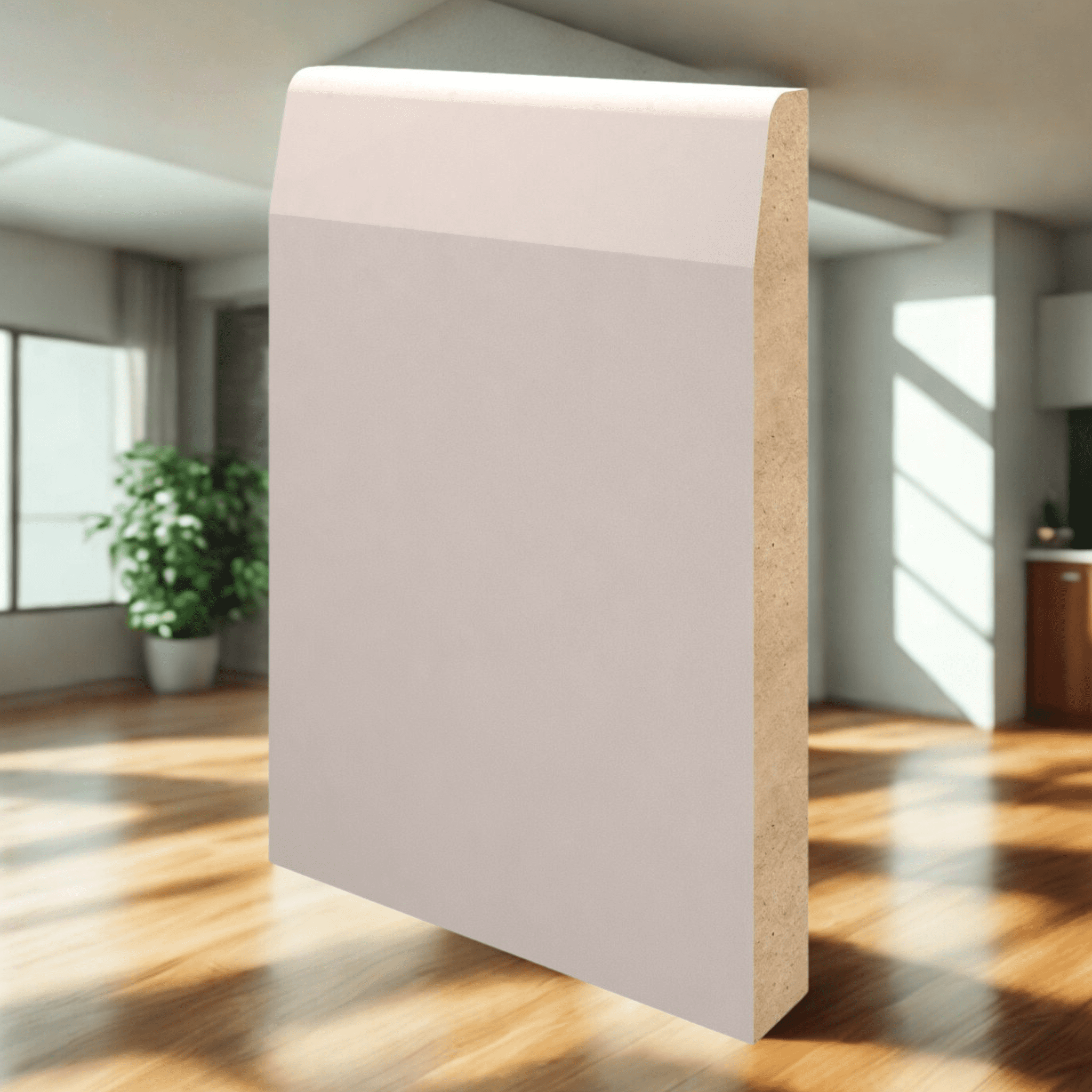
Do you want to know if it is it better to glue or nail skirting boards? When it comes to finishing a room, skirting boards are one of those subtle yet vital features that bring everything together. They not only provide a neat transition between walls and floors but also add character, depth and elegance to a space. While modern interiors continue to evolve, wood skirting boards remain timeless, classic, and never go out of style.
But once you’ve chosen your skirting, the question arises: what’s the best way to fix them? Should you glue or nail skirting boards? Let’s explore both options, their pros and cons, and what UK homeowners and tradespeople need to know.
Why Choose Wooden Skirting Boards?
Before we dive into the installation debate, it’s worth highlighting why wood skirting boards are such a staple in British homes.
-
Timeless appeal – Whether you live in a Victorian terrace or a modern build, wooden skirting boards suit virtually every interior style.
-
Durability – Properly treated and maintained, wood skirting boards can last for decades, far outlasting cheaper MDF alternatives.
-
Refinishing options – Wood can be sanded, stained, or repainted over the years, ensuring your skirting boards grow with your home.
-
Sustainability – Many wooden skirting boards are sourced from responsibly managed forests, aligning with eco-conscious home improvements.
This is why choosing wood skirting boards is rarely debated. The real question is: how should they be fitted?
Installing Skirting Boards: Glue vs Nails
There are two main methods of fixing skirting boards in the UK:
-
Adhesive (glueing) – Using strong grab adhesives to bond skirting directly to the wall.
-
Mechanical fixing (nailing or screwing) – Using pins, nails, or screws to secure the skirting.
Each has advantages depending on your walls, room type, and long-term maintenance plans.
When is Glue the Best Option?
Using a high-strength grab adhesive to fit skirting boards is becoming increasingly popular, particularly in modern homes with plasterboard walls.
Advantages of Glueing:
-
No visible fixings – With adhesive, you avoid nail or screw holes, leaving a smooth surface ready for painting or finishing.
-
Quick installation – Applying adhesive is often faster than measuring and drilling for fixings.
-
Ideal for plasterboard – Nails and screws can damage plasterboard walls; adhesives provide a cleaner, safer solution.
-
Less mess – No dust or drilling, which makes it great for occupied homes.
Limitations of Glueing:
-
Difficult removal – If you ever need to replace or update your skirting, glued boards can damage plaster when removed.
-
Not suitable for uneven walls – Adhesive works best on flat surfaces. If walls are wavy or old, gaps may appear.
-
Curing time – Adhesive requires time to set, meaning skirting may need temporary support while it dries.
Best for: New builds, plasterboard walls, and homeowners who want a neat, modern look with minimal disruption.
When is Nailing (or Screwing) the Better Choice?
Traditional carpentry methods rely on nails or screws to fix skirting boards to masonry or timber battens. This approach is still widely used across the UK.
Advantages of Nailing/Screwing:
-
Strong, long-lasting fix – Mechanical fixings provide reliable strength, particularly in older properties with solid brick walls.
-
Easier to replace – Skirting can be removed and re-fitted with less wall damage than glued boards.
-
Accommodates uneven walls – Nails allow minor adjustments to fit skirting snugly against irregular surfaces.
-
Tried and tested method – A favourite of carpenters and builders, especially in period properties.
Limitations of Nailing/Screwing:
-
Visible fixings – Unless filled and painted, nails and screws can leave small marks.
-
More labour intensive – Requires drilling or hammering, making it slower than adhesive.
-
Risk of cracking plaster – On delicate walls, driving in nails may cause damage.
Best for: Older homes with uneven or solid walls, or when future skirting replacement is anticipated.
UK Building Considerations
While there are no strict building regulations in the UK dictating whether skirting should be glued or nailed, there are practical guidelines and best practices followed by professionals:
-
Fire safety – Wooden skirting boards themselves are considered decorative and do not usually impact fire regulations. However, fixing methods should not compromise fire-rated walls.
-
Electrical and plumbing runs – Always check for hidden pipes and wires before nailing or drilling. In UK homes, pipes often run just above floor level. Adhesive may be safer in these cases.
-
Moisture-prone areas – In kitchens and bathrooms, consider treated timber skirting and ensure adhesives are moisture-resistant.
-
Aesthetic standards – In heritage or listed properties, traditional methods (nails and screws) may be preferable to stay in keeping with original craftsmanship.
Combining Glue and Nails
In practice, many UK tradespeople use a hybrid approach. A bead of adhesive provides instant grip, while discreet pins or screws ensure long-term security, particularly on uneven walls. This combination often delivers the neatest and most reliable finish.
Which Method Should You Choose?
Ultimately, the choice between glueing and nailing comes down to your home and your priorities:
-
Choose glue if you want a fast, clean installation on smooth plasterboard walls.
-
Choose nails/screws if you’re dealing with solid brick, uneven surfaces, or anticipate needing to replace boards in future.
-
Choose both if you want the best of both worlds: the security of nails with the neatness of adhesive.
How to Achieve a Professional Finish
No matter which fixing method you choose, the quality of the finish is what truly matters. To get that classic, timeless look from your wooden skirting boards:
-
Measure and cut precisely – Use mitre joints for corners to achieve a seamless appearance.
-
Sand and prime – Even smooth wood benefits from preparation before painting or staining.
-
Fill gaps – Use decorators’ caulk between skirting and wall for a flawless finish.
-
Paint or stain carefully – A fresh coat of paint or varnish enhances the natural beauty of wood and protects it.
Why Wood Skirting Boards Will Always Be in Style
Trends in interior design come and go, but wood skirting boards remain a constant in British homes. Their warmth, elegance and adaptability make them a safe and stylish choice for any room. Whether you choose oak for a traditional look, pine for versatility, or hardwoods for durability, wood offers something no synthetic alternative can match: character.
As fashions shift, you can repaint or restain wood skirting, ensuring it continues to complement your space for decades. Unlike MDF or plastic trims, wooden skirting boards age gracefully, gaining charm over time.
Final Thoughts
So, is it better to glue or nail skirting boards? The truth is, both methods have their place. For modern plasterboard walls and quick installations, adhesives offer speed and a sleek finish. For older, uneven walls, nails and screws provide strength and flexibility. And for those who want the best outcome, a combination of both is often ideal.
What’s most important is not just how you fix your skirting, but the material you choose. With their timeless appeal and enduring durability, wooden skirting boards will never go out of style – ensuring your home remains elegant and well-finished for years to come.
Take a look at our range of skirting boards here. If you are also interested in redesigning your staircase, why not try our online staircase builder tool.