Do Loft Stairs Need to Be Enclosed? A Complete Guide for Homeowners
Converting a loft is one of the most effective ways to add space and value to a home, but it also raises a lot of questions — and loft stairs are usually at the top of the list. One of the most common concerns is whether loft stairs need to be enclosed. The answer isn’t always straightforward, because it depends on building regulations, fire safety, the type of conversion, and the layout of your home.
This guide breaks everything down clearly so you can make the right decision for your loft project.
Understanding the Purpose of Enclosing Loft Stairs
Before diving into regulations, it helps to understand why stair enclosures exist in the first place. Enclosing a staircase is primarily about fire safety. In a fire, an enclosed stairwell acts as a protected escape route, preventing smoke and flames from spreading quickly and giving occupants more time to exit safely.
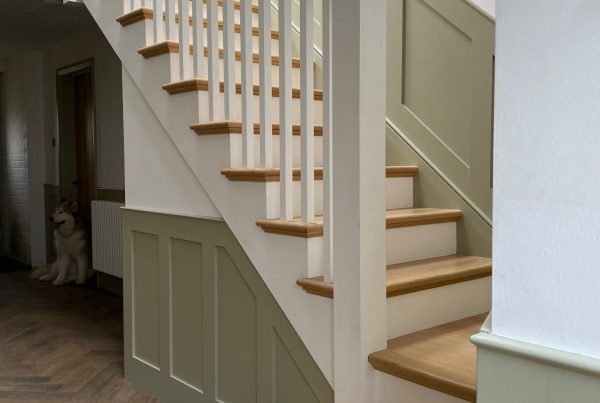
In traditional two-storey homes, the staircase is already enclosed by walls and doors. When you add a loft conversion, you’re effectively creating a third storey — and that changes the safety requirements.
Building Regulations: When Loft Stairs Must Be Enclosed
In the UK, loft conversions must comply with Building Regulations Part B (Fire Safety). Whether your loft stairs need to be enclosed depends on the type of conversion and the number of storeys in your home.
1. Homes Becoming Three Storeys
If your loft conversion turns your home into a three-storey property, the staircase must be enclosed. This means:
- The stairs need to be surrounded by fire‑resistant walls.
- All doors leading onto the stairwell must be FD30 fire doors (30‑minute fire resistance).
- The stairwell must lead to a final exit without passing through a high‑risk room such as a kitchen.
This is the most common scenario for UK loft conversions.
2. Homes Already Three Storeys
If your home already has three storeys and you’re adding a loft as a fourth, the rules become even stricter. A fully enclosed, protected stairwell is mandatory, and you may also need:
- A sprinkler system
- A fire‑rated escape window
- Additional smoke alarms on every level
3. Bungalow Loft Conversions
If you’re converting a loft in a bungalow, the rules are more relaxed. Because the loft becomes the second storey, you usually don’t need to enclose the stairs, provided:
- You have a compliant escape window in the loft room.
- You install interlinked smoke alarms.
Are There Any Exceptions?
Yes — but they’re limited.
Open‑Plan Homes
Open‑plan living is popular, but it complicates fire safety. If your ground floor is open plan and you want an open staircase to the loft, you may need to:
- Install a domestic sprinkler system, or
- Create a small enclosed lobby around the base of the stairs, or
- Reconfigure the layout to create a protected escape route.
These solutions can be costly, which is why many homeowners choose to enclose the stairs instead.
Alternative Fire Safety Measures
Building Control may accept alternative solutions if they offer equivalent safety, such as:
- Fire‑rated glazing instead of solid walls
- A misting system
- Additional fire detection systems
However, these must be approved on a case‑by‑case basis.
Benefits of Enclosing Loft Stairs
Even when not strictly required, enclosing the stairs can offer several advantages.
1. Improved Fire Safety
An enclosed stairwell provides a protected escape route, giving you peace of mind — especially if the loft will be used as a bedroom.
2. Better Noise Control
Walls around the staircase help reduce noise travelling between floors, which is ideal if the loft becomes a workspace, guest room, or teenager’s den.
3. More Defined Layout
Enclosing the stairs can make the loft feel like a natural extension of the home rather than an add‑on. It also gives you more wall space for furniture placement.
4. Easier to Meet Regulations
Choosing an enclosed design often simplifies the approval process and avoids the need for expensive alternative fire‑safety measures.
When Open Loft Stairs Can Work Well
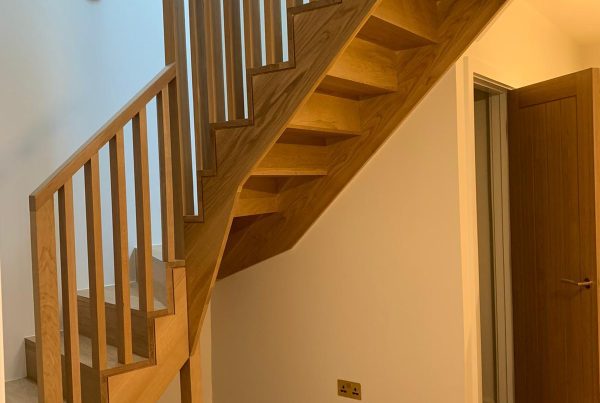
Open stairs can look stunning — especially in modern or minimalist homes — and they can make a loft feel more connected to the rest of the house. They work best when:
- The loft is used as a non‑habitable space (e.g., storage or hobby room).
- The property is a bungalow.
- The staircase is positioned away from high‑risk rooms.
- You’re willing to invest in additional fire‑safety systems.
If you’re aiming for an open, airy feel, it’s worth discussing options with your architect and Building Control early in the design process.
Types of Loft Stair Enclosures
If you do need to enclose your loft stairs, you still have plenty of design choices.
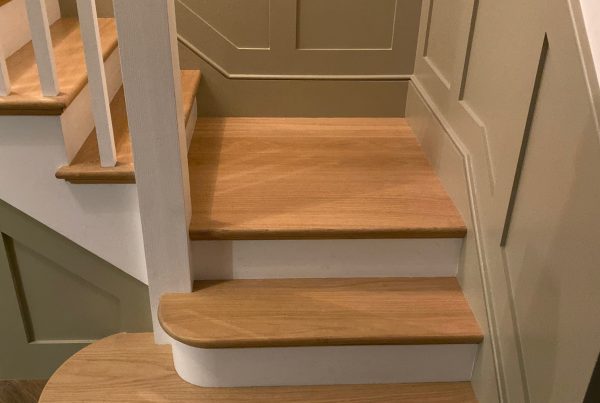
1. Traditional Stud Walls
The most common option — cost‑effective, simple, and easy to decorate.
2. Fire‑Rated Glass Walls
A stylish alternative that keeps the space feeling open while still meeting fire regulations.
3. Partial Enclosures
Sometimes only part of the staircase needs enclosing, depending on layout and escape routes.
4. Pocket or Sliding Fire Doors
These save space while still providing the required fire protection.
Practical Considerations When Deciding
Before making a final decision, think about:
1. Your Loft’s Purpose
A bedroom or office has stricter requirements than a storage room.
2. Your Budget
Enclosing stairs is often cheaper than installing sprinklers or fire‑rated glazing.
3. Your Home’s Layout
The position of the stairs can determine whether an enclosure is necessary.
4. Future Resale Value
Buyers expect loft conversions to be fully compliant. Cutting corners can cause issues later.
So, Do Loft Stairs Need to Be Enclosed?
In most UK homes, yes — especially if the loft becomes a third storey. Enclosing the stairs ensures compliance with fire regulations, protects escape routes, and often simplifies the entire conversion process.
However, there are exceptions, particularly in bungalows or when alternative fire‑safety measures are approved. The best approach is to consult with:
- A qualified architect
- A structural engineer
- Your local Building Control officer
They can assess your home’s layout and advise on the safest, most cost‑effective solution.
Contact us today to discuss your staircase requirements or use our online staircase builder tool.