What Is the 4‑Year Rule for Loft Conversion? A Complete Homeowner’s Guide
If you’re considering a loft conversion—or you’ve already built one—the 4‑year rule is one of the most important planning law concepts you need to understand. It can determine whether your loft conversion is lawful, whether you need retrospective approval, and whether your local council can take enforcement action. This guide breaks down the rule in simple terms, explains how it applies to loft conversions, and helps you understand what to do next.
Understanding the 4‑Year Rule
The 4‑year rule is a legal principle in UK planning law that states:
If a building operation (such as a loft conversion) has been completed and used for four years or more without enforcement action, it may become lawful—even if it originally required planning permission.
In other words, after four continuous years of use, the local authority may no longer be able to force you to undo or alter the work, even if it didn’t meet planning requirements at the time it was built.
This rule is part of the Town and Country Planning Act 1990, which sets out time limits for councils to take enforcement action.
Does the 4‑Year Rule Apply to Loft Conversions?
Yes—but only in specific circumstances.
The 4‑year rule applies to building works, which includes:
- Loft conversions
- Extensions
- Structural alterations
- Outbuildings
However, it only applies if:
- The loft conversion required planning permission at the time it was built, AND
- You did not obtain that planning permission, AND
- The loft has been substantially completed for at least four years, AND
- The council has not taken enforcement action during that period.
If all of these conditions are met, the loft conversion may be considered lawful through the passage of time.
When a Loft Conversion Doesn’t Need the 4‑Year Rule
Many loft conversions fall under Permitted Development Rights (PDR), meaning they don’t require planning permission at all—provided they meet certain criteria, such as:
- Not exceeding volume limits (40m² for terraced, 50m² for semi‑detached/detached)
- No extension beyond the plane of the existing roof slope facing the highway
- Materials similar in appearance to the existing house
- No raised platforms or balconies
- No extension higher than the existing roof ridge
If your loft conversion meets these rules, you don’t need the 4‑year rule because the work was lawful from the start.
Why the 4‑Year Rule Matters
The 4‑year rule is especially important for homeowners who:
- Bought a property with an existing loft conversion
- Completed a loft conversion years ago without realising planning permission was required
- Are preparing to sell and need to prove the loft is lawful
- Want to avoid potential enforcement action from the council
Without proof of lawfulness, you may face:
- Difficulty selling the property
- Mortgage lenders refusing to lend
- Council enforcement notices
- Potential costs to alter or remove the loft conversion
The 4‑year rule can provide a legal pathway to resolve these issues.
How to Prove Your Loft Conversion Meets the Rule
You cannot simply claim that your loft conversion is four years old—you must prove it. The standard way to do this is by applying for a Lawful Development Certificate (LDC) for existing use.
To support your application, you may need evidence such as:
- Dated photographs of the loft conversion
- Building invoices or receipts
- Council tax records
- Utility bills showing usage
- Statutory declarations from neighbours or previous owners
- Property sale documents referencing the loft
The more evidence you provide, the stronger your case.
What Happens If the Council Disagrees?
If the council believes:
- The loft conversion is less than four years old, or
- It was not substantially completed four years ago, or
- It never met building regulations,
they may refuse your LDC application.
In that case, you may need to:
- Provide additional evidence
- Appeal the decision
- Apply for retrospective planning permission
- Make alterations to bring the loft into compliance
The key is to act quickly—once enforcement action begins, the 4‑year rule no longer protects you.
The Difference Between the 4‑Year Rule and the 10‑Year Rule
Many homeowners confuse the two, but they apply to different situations:
| Rule | Applies To | Time Period |
|---|---|---|
| 4‑Year Rule | Building works (e.g., loft conversions, extensions) | 4 years |
| 10‑Year Rule | Change of use (e.g., converting a loft into a separate flat) | 10 years |
If your loft conversion created a new dwelling, such as a self‑contained studio, the 10‑year rule applies instead.
Does the Rule Cover Building Regulations?
No. The 4‑year rule only relates to planning permission, not building regulations.
Even if your loft becomes lawful under planning law, you may still face issues if:
- It wasn’t built to building regulation standards
- There is no completion certificate
- Fire safety measures are inadequate
- Structural work wasn’t inspected
Mortgage lenders often require building regulation compliance, so this is a separate issue to address.
Is the Rule Being Replaced?
There have been discussions about reforming planning enforcement time limits, and some councils interpret the rules more strictly than others. However, as of now, the 4‑year rule still applies to building works like loft conversions.
Should You Rely on the 4‑Year Rule?
The 4‑year rule can be a lifesaver—but it’s not something you should rely on when planning a loft conversion. It’s always better to:
- Check whether your loft conversion falls under permitted development
- Apply for planning permission if required
- Obtain a Lawful Development Certificate for peace of mind
- Ensure building regulations approval is in place
The 4‑year rule should be seen as a last resort, not a strategy.
Final Thoughts
The 4‑year rule for loft conversions is a powerful legal protection for homeowners, but it only applies in specific circumstances and requires solid evidence. Whether you’re planning a new loft conversion or trying to regularise an existing one, understanding this rule can save you time, stress, and potential legal issues.
If you’re unsure whether your loft conversion qualifies, it’s always wise to seek professional advice from a planning consultant or architect.
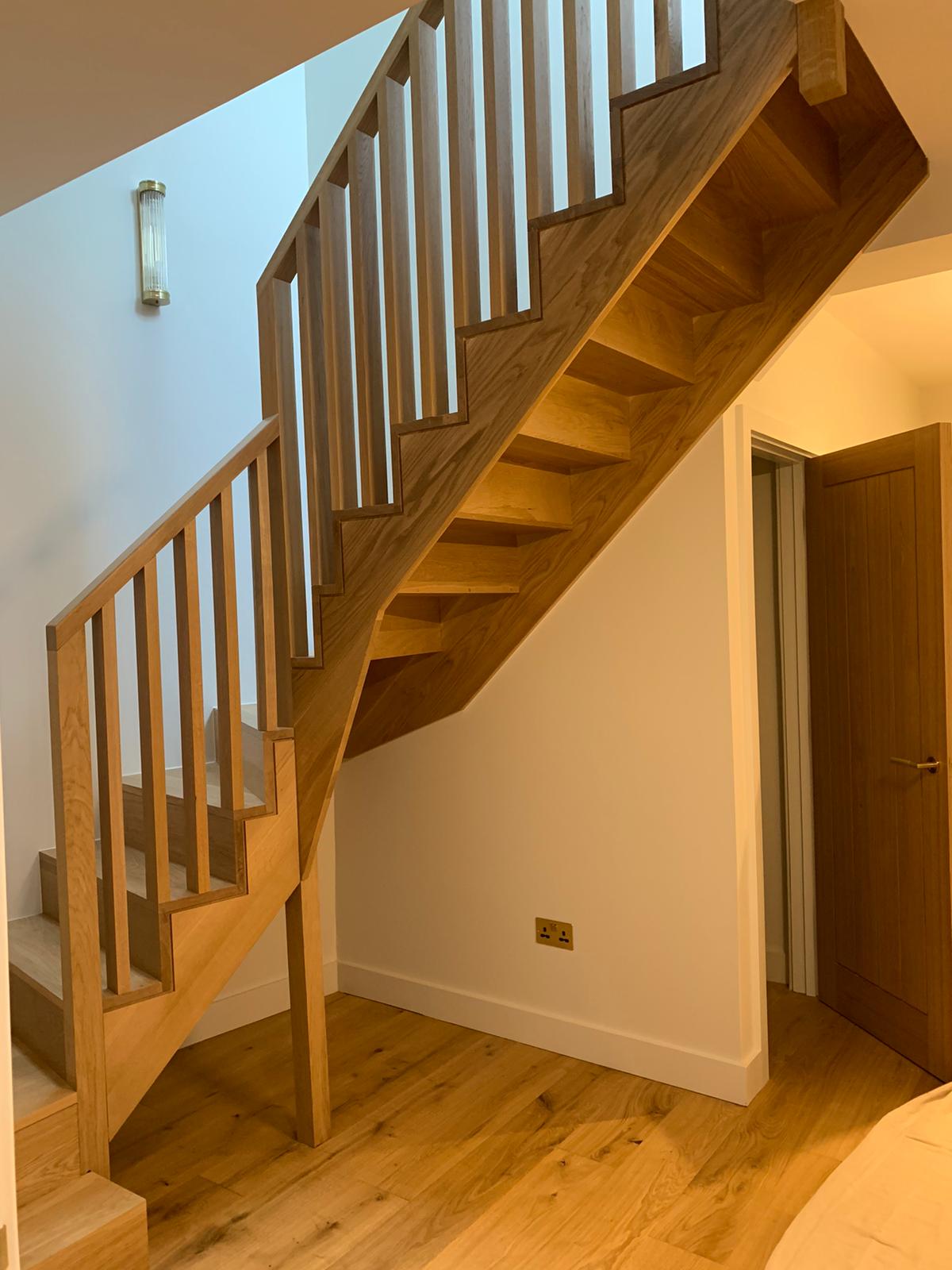
Contact us today to discuss your staircase requirements or use our online staircase builder tool.