Is It Difficult to Fit Skirting Boards?
When planning a home renovation or even a simple refresh of your interior, one detail that makes a big difference is the skirting board. Skirting boards are more than just a finishing touch – they protect walls, cover gaps, and provide a decorative feature that elevates a room. A common question many homeowners ask is: is it difficult to fit skirting boards?
The short answer is: no, fitting skirting boards is not especially difficult, but it does require careful preparation, the right tools, and an understanding of good practice under UK building standards.
In this guide, we’ll explore why skirting boards – especially wood skirting boards – remain a timeless choice, what makes them straightforward to fit, and the considerations you need to keep in mind if you’re taking on the job yourself or hiring a professional.
Why Choose Wooden Skirting Boards?
A Timeless and Classic Look
Wooden skirting boards have stood the test of time. From Victorian townhouses to modern new-builds, timber skirting adds warmth, character, and elegance to a property. Unlike MDF or plastic alternatives, wood has natural grain patterns and depth that make it look authentic and luxurious.
Long-Lasting and Durable
Wood is strong and built to last. Properly maintained, wooden skirting boards can outlive other types, making them a sustainable and worthwhile investment.
A Style That Never Dates
Interior design trends come and go, but wooden skirting remains a constant. Whether you opt for sleek square-edge boards, intricate Victorian profiles, or shaker-style designs, wood complements both contemporary and traditional interiors.
Ease of Customisation
Wood can be sanded, painted, stained, or varnished to match any décor. If you decide to redecorate in a few years, your skirting boards can evolve with your new colour scheme.
Is Fitting Skirting Boards a DIY Job?
The installation of skirting boards is considered a moderate-level DIY project. It’s not as straightforward as painting a wall, but it doesn’t usually require specialist building qualifications. With the right tools, careful measurement, and patience, most homeowners in the UK can achieve professional-looking results.
However, challenges can arise with uneven walls, tricky corners, or when working around pipework. That’s where the skill lies – ensuring the skirting fits seamlessly against your walls without gaps.
UK Regulations and Best Practice
In the UK, there aren’t specific legal regulations for installing skirting boards in residential properties. However, there are some practical guidelines and building standards worth noting:
-
Damp-proofing: Skirting should not bridge damp-proof courses. Ensure moisture barriers are intact before fitting.
-
Fire safety: In flats or certain new builds, skirting may form part of fire-stopping measures. Check building control requirements if undertaking significant refurbishments.
-
Accessibility: Where required by Building Regulations Part M (access to and use of buildings), ensure skirting does not interfere with accessible thresholds or adaptations.
-
Good practice: Always fix skirting boards securely into studs or masonry, using appropriate fixings. Adhesives may be used on sound, dry walls, but mechanical fixing is recommended for longevity.
Tools and Materials You’ll Need
If you’re considering fitting skirting boards yourself, here’s what you’ll typically need:
-
Tape measure and pencil
-
Mitre saw or coping saw (for corners)
-
Spirit level
-
Hammer drill (for masonry walls)
-
Adhesive and/or screws with plugs
-
Filler for gaps and nail holes
-
Sandpaper
-
Paint, varnish, or wood stain
For wooden skirting boards, a good mitre saw is invaluable, as accurate cutting is key to neat joints.
Step-by-Step Guide to Fitting Wooden Skirting Boards
-
Measure and Plan
Measure each wall carefully, accounting for internal and external corners. Always buy slightly more skirting than required to allow for mistakes or offcuts. -
Prepare the Walls
Remove old skirting, wallpaper remnants, or loose plaster. Ensure the wall is dry and relatively flat. -
Cutting the Boards
For external corners, cut the boards at 45 degrees using a mitre saw. For internal corners, many professionals prefer a “scribed joint” using a coping saw to achieve a tighter fit. -
Fixing the Boards
Position the skirting against the wall. Use adhesive for smooth, dry plasterboard walls or screw into plugs for masonry. For wooden stud walls, screw directly into studs. -
Finishing Touches
Fill any nail holes or gaps with wood filler or caulk. Sand lightly if needed. Apply paint or finish for protection and aesthetic appeal.
Common Challenges When Fitting Skirting Boards
Uneven Walls
Many UK homes, especially older properties, don’t have perfectly flat walls. This can cause gaps at the top of the skirting. The solution is to scribe the board carefully or use decorator’s caulk to achieve a smooth finish.
Tricky Corners
Internal and external corners are where mistakes often happen. Accurate measuring and careful cutting are essential. Practice on offcuts before making final cuts.
Working Around Obstacles
Pipes, door frames, and radiators can complicate the process. A jigsaw or coping saw can help you notch boards around obstacles neatly.
DIY vs Professional Installation
Fitting skirting boards yourself can save money and be a rewarding project. However, if precision joinery isn’t your strength, hiring a carpenter or joiner can guarantee a flawless finish.
-
DIY Pros: Cost-effective, flexible timing, satisfying result.
-
DIY Cons: Time-consuming, potential for mistakes, need for tools.
-
Professional Pros: Fast, precise, stress-free.
-
Professional Cons: Higher upfront cost.
Ultimately, if you’re after a perfect fit, especially with intricate wooden skirting profiles, professional installation is often worth the investment.
Why Wooden Skirting Boards Will Never Go Out of Style
Wooden skirting boards bring together functionality, durability, and timeless beauty. They:
-
Protect walls from everyday knocks and scrapes
-
Provide a seamless transition between wall and floor
-
Enhance property value with a classic finish
-
Adapt to any décor style, from period elegance to modern minimalism
For these reasons, wood remains the preferred choice across the UK.
Final Thoughts
So, is it difficult to fit skirting boards? Not necessarily. With preparation, the right tools, and attention to detail, it’s a project most confident DIYers can tackle. But whether you choose to fit them yourself or call in a professional, one thing is certain: wooden skirting boards are always a worthwhile investment.
Classic, timeless, and endlessly versatile, they’ll never go out of style – ensuring your home retains its elegance for years to come.
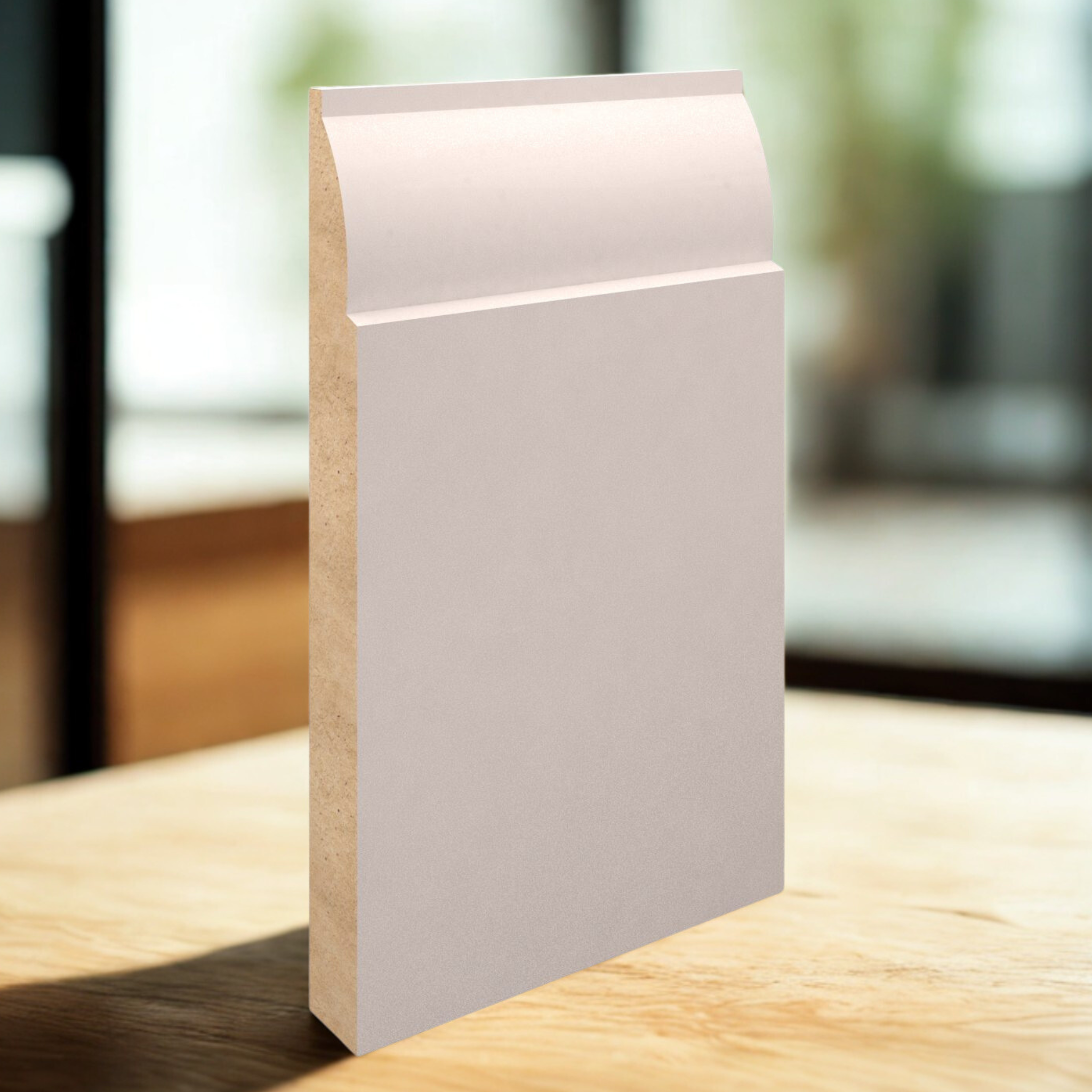
Take a look at our range of skirting boards here. If you are also interested in redesigning your staircase, why not try our online staircase builder tool.