What Skirting Board is Best?
When it comes to finishing a room, few details make as much impact as the skirting board. Skirting boards protect your walls, conceal gaps, and tie your interior style together. But with so many options available – MDF, plastic, and natural wood – it’s easy to feel uncertain about what’s best for your home.
In the UK, where homes often balance modern practicality with period charm, the question of “what skirting board is best?” almost always leads to one answer: wood skirting boards. Timeless, durable, and endlessly versatile, wood has been the material of choice for centuries – and for good reason.
Below, we’ll explore your options, highlight what makes wood skirting boards unbeatable, and explain how to choose the right profile, finish, and size to suit your space.
Why Skirting Boards Matter
Skirting boards may seem like a finishing touch, but they serve several important purposes:
-
Protection: They shield the lower part of your walls from knocks, scuffs, and everyday wear.
-
Aesthetics: They provide a neat transition between wall and floor, enhancing the overall design.
-
Practicality: Skirting can conceal cables or small imperfections where walls meet flooring.
-
Style Statement: From sleek modern interiors to grand Victorian homes, the right skirting sets the tone.
This is why choosing the right material is so crucial.
The Main Skirting Board Materials
Before we explain why wood is the best choice, let’s briefly review the common alternatives on the UK market:
MDF (Medium-Density Fibreboard)
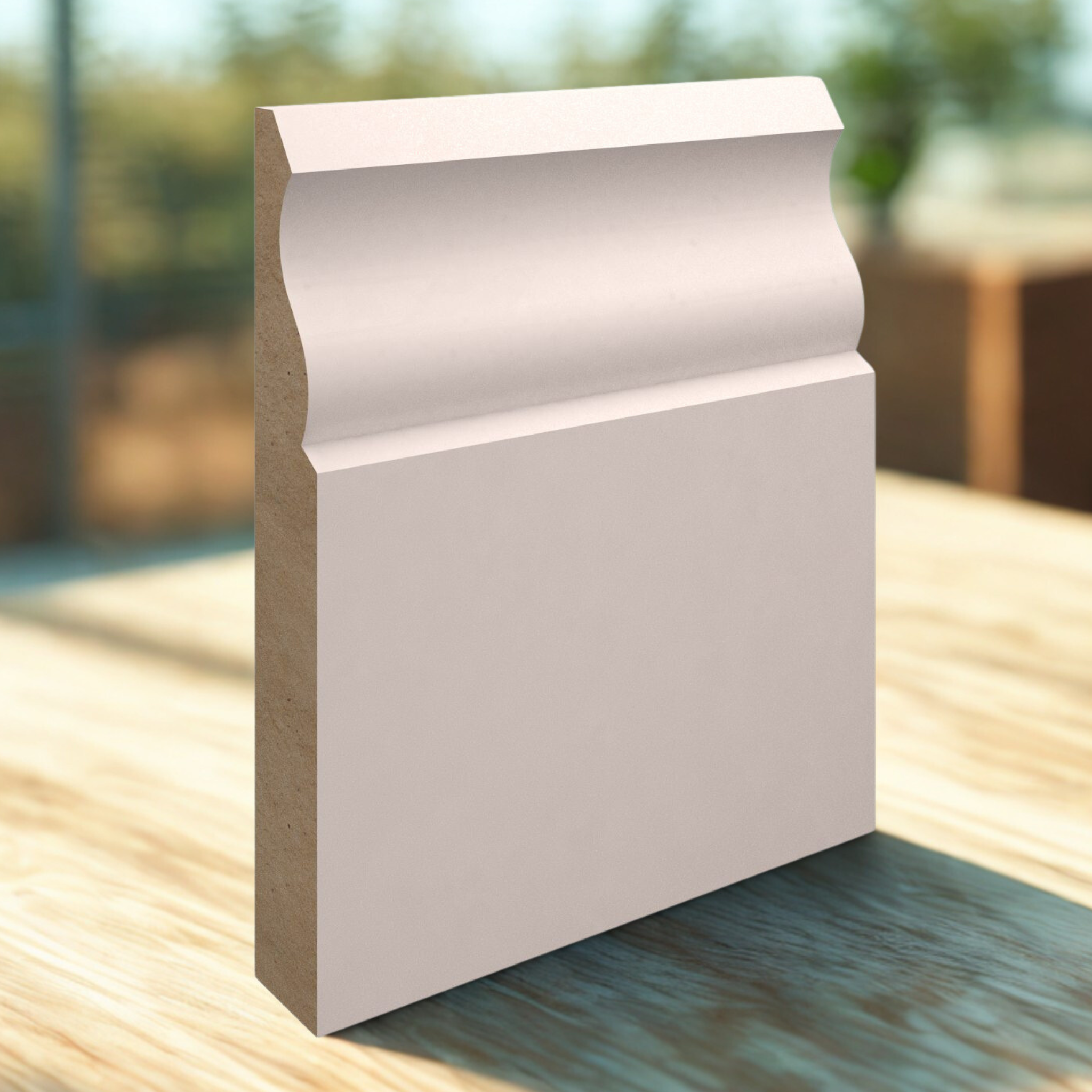
MDF skirting boards are budget-friendly and widely available. They’re made from compressed wood fibres and are often primed for painting. While smooth and easy to work with, MDF can swell if exposed to moisture, and it lacks the depth and authenticity of solid wood.
PVC (Plastic Skirting)
PVC skirting boards are often marketed as low-maintenance, water-resistant options. They can be useful in commercial settings or bathrooms, but they rarely achieve the natural warmth and elegance that homeowners desire.
Wood Skirting Boards
Natural timber skirting boards remain the gold standard. Available in species such as oak, pine, or walnut, they can be stained, varnished, or painted to suit any décor. Wood is strong, long-lasting, and undeniably classic.
Why Wood Skirting Boards Are the Best Choice
When asking what skirting board is best, the answer consistently returns to wood – and here’s why:
1. Timeless Appeal
Wood has been used in British homes for centuries, from Georgian townhouses to modern new builds. Unlike MDF or PVC, wood carries a natural grain and texture that never goes out of style. Whether you want a traditional look or a contemporary finish, wood adapts seamlessly.
2. Durability
Solid wood skirting boards stand the test of time. With proper care, they can last for decades, resisting dents and damage better than engineered alternatives. This makes them a cost-effective choice in the long run.
3. Sustainability
Many UK suppliers source wood from responsibly managed forests. Choosing FSC-certified timber means you’re investing in a renewable, eco-friendly material.
4. Versatility
Wood can be sanded, repainted, or refinished to match changing interior designs. If you redecorate in five years, your wooden skirting can easily be updated – unlike PVC or MDF, which may need replacing.
5. Authenticity in Period Homes
For older British properties, authenticity matters. Wood skirting boards maintain the architectural integrity of Victorian, Edwardian, and Georgian homes, complementing original features like fireplaces, architraves, and cornices.
Meeting UK Regulations
In the UK, there are no strict building regulations governing the material of skirting boards. However, there are general standards and best practices to consider:
-
Fire Safety: In some commercial or high-rise buildings, materials with enhanced fire resistance may be required. Solid wood skirting can be treated with fire-retardant coatings if needed.
-
Moisture Considerations: In damp-prone areas such as basements or bathrooms, hardwoods like oak perform better than softer timbers or MDF, which may warp.
-
Installation Standards: The NHBC (National House Building Council) sets quality standards for new builds, where wood skirting often exceeds expectations for durability and finish.
For most UK homeowners, wood skirting comfortably meets both performance and aesthetic standards.
Choosing the Right Wood Skirting Board
If you’ve decided on wood, the next step is selecting the right type for your space. Here’s what to consider:
Types of Wood
-
Oak: Strong, hard-wearing, and beautifully grained. A premium choice that adds instant elegance.
-
Pine: Affordable, versatile, and easily painted. A popular choice for all property types.
-
Walnut: Rich in colour and ideal for statement interiors.
-
Ash or Beech: Lighter tones that suit modern, minimalist rooms.
Skirting Profiles
The profile refers to the moulding shape at the top of the skirting board:
-
Torus: A classic rounded style, widely used in the UK.
-
Ogee: Traditional, decorative, and suited to period homes.
-
Square Edge: Modern, sleek, and minimal.
-
Chamfered: A subtle slant that works in contemporary settings.
Heights and Proportions
-
In modern homes, skirting boards are typically 120mm–150mm high.
-
In period properties, taller boards (200mm–300mm) make a stronger statement and suit high ceilings.
-
Always consider the scale of the room – taller ceilings benefit from taller skirting.
Finishes and Maintenance
Wood skirting boards give you a choice of finishes:
-
Painted: For a crisp, uniform look that complements your décor.
-
Stained: To highlight the natural grain while matching other timber features.
-
Varnished or Oiled: For a durable finish that protects against wear and enhances colour depth.
Maintenance is straightforward: a quick dust or wipe keeps them looking sharp, and any knocks can be sanded out and refinished – something impossible with PVC or MDF.
Cost Considerations
While MDF or plastic skirting may appear cheaper upfront, wooden skirting boards provide far greater value over time. Their durability means fewer replacements, while their timeless look enhances your property’s value. For homeowners who want to balance cost with quality, pine offers affordability without sacrificing authenticity. For those seeking a premium finish, oak or walnut adds luxury that endures.
Why Wooden Skirting Boards Will Never Go Out of Style
Design trends come and go, but wood remains constant. Just as wooden flooring, doors, and furniture have stood the test of time, so too have wooden skirting boards. Their ability to adapt to evolving interiors – from Victorian elegance to Scandi minimalism – makes them a safe yet stylish investment.
When future-proofing your home, choosing wood is the only option that guarantees both beauty and longevity.
Final Thoughts: What Skirting Board is Best?
If you’re renovating, redecorating, or simply upgrading your home, the question of what skirting board is best comes down to one clear answer: wooden skirting boards.
They are timeless, durable, sustainable, and versatile – qualities that alternatives simply can’t match. Whether you live in a Victorian townhouse in London, a new-build in Manchester, or a cottage in the Cotswolds, wood skirting boards will complement your home and never go out of style.
Invest once, enjoy for decades, and rest assured that your choice is as practical as it is beautiful.
Take a look at our range of skirting boards here. If you are also interested in redesigning your staircase, why not try our online staircase builder tool.