Do You Need a Proper Staircase for a Loft Conversion?
Converting a loft is one of the most popular ways to add space and value to a home. A well-designed loft can become an extra bedroom, home office, or relaxing retreat without extending the footprint of the property.
However, one of the most common questions homeowners ask during the planning stage is:
Do you actually need a proper staircase for a loft conversion?
The short answer is yes in most cases. UK Building Regulations generally require a permanent staircase if the loft is going to be used as a habitable room. But the reasons behind this rule — and the options available — are worth understanding before starting your project.
Below is a clear guide to when a proper staircase is required, why it matters, and what your options may be.
What Counts as a “Proper Staircase”?
A proper staircase is a fixed, permanent stair that connects the existing floor of the house to the new loft floor.
Unlike temporary ladders or folding loft ladders, a compliant staircase is designed to be used safely every day. It typically includes:
-
Consistent tread depth and riser height
-
A handrail or balustrade
-
Adequate headroom
-
A safe and practical angle of ascent
-
Structural integration with the house
These requirements ensure that the stairs are comfortable, safe, and suitable for regular use.
When a loft becomes a habitable room such as a bedroom, office, or living space, the access must be designed as part of the main circulation of the home.
What Do Building Regulations Say?
In the UK, loft conversions must comply with Building Regulations, particularly Part K, which covers protection from falling, collision, and impact.
Part K sets out rules governing staircases, including:
-
Maximum riser height
-
Minimum tread depth
-
Pitch (angle) of the stairs
-
Headroom requirements
-
Handrail and guarding rules
In most situations, these regulations effectively require a fixed staircase rather than a ladder.
The reason is simple: if the loft is intended to be used as a living space, it must be safe and convenient to access in the same way as the rest of the house.
Why Are Proper Stairs Usually Required?
There are several important safety and usability reasons behind the requirement for a permanent staircase.
Everyday Safety
A loft used as a bedroom or living space will be accessed multiple times a day. Proper stairs provide:
-
Stable footing
-
Comfortable walking angles
-
Handrails for support
-
Safe navigation for children and older occupants
Ladders or steep access points would be unsafe for frequent use.
Emergency Escape
In the event of a fire, safe escape routes are essential. A proper staircase helps provide:
-
A clear route down through the house
-
Predictable access for emergency services
-
Compliance with fire safety regulations
This is particularly important when the loft becomes an additional sleeping space.
Practical Living
Imagine carrying:
-
Laundry
-
Furniture
-
Bedding
-
Suitcases
Trying to do this up a loft ladder quickly becomes impractical. A full staircase makes the space function as a normal room within the home.
When Can a Loft Ladder Be Used Instead?
There are some situations where a loft ladder may still be acceptable.
Typically this applies when the loft is used only for storage, not as a habitable room.
Examples include:
-
Storage lofts
-
Occasional hobby spaces
-
Utility or maintenance access
In these cases, the loft is not considered part of the living accommodation of the house.
However, if the loft is used as:
-
A bedroom
-
A home office
-
A playroom
-
A living area
Then Building Regulations will almost always require a proper staircase.
How Much Space Do Loft Stairs Need?
Many homeowners worry that installing a staircase will take up too much space on the floor below. In reality, experienced designers can often create clever solutions that minimise the impact.
Common staircase layouts include:
Straight Flights
The simplest design, running directly from the lower floor to the loft.
Advantages:
-
Easy to build
-
Comfortable to use
-
Clean, modern appearance
Dog-Leg Staircases
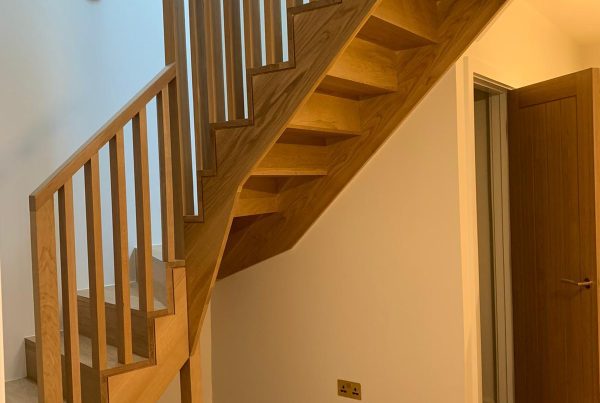
These include a landing and change direction halfway up.
Benefits:
-
Saves space
-
Fits well into existing stairwells
-
Often mirrors the layout of the main staircase
Winder Staircases
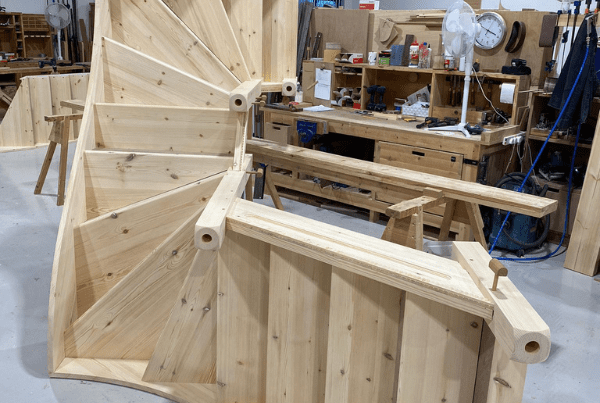
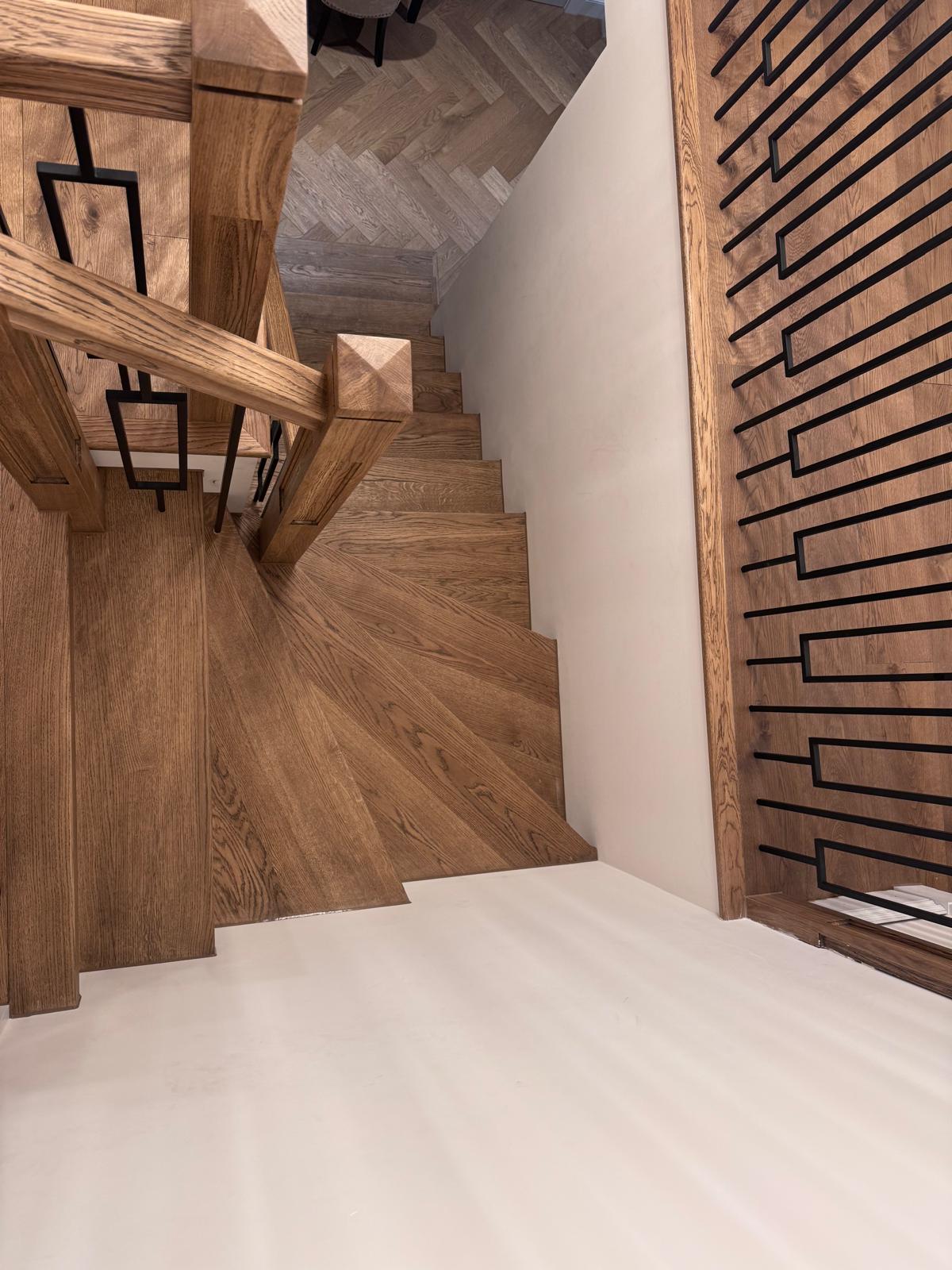
These use triangular steps to turn corners without a landing.
Benefits:
-
Highly space efficient
-
Ideal for tight floor plans
-
Common in many loft conversions
With careful design, the staircase can often be positioned above the existing stairs, which is one of the most efficient layouts.
Headroom and Stair Design
One of the key challenges when installing loft stairs is headroom.
Building Regulations generally recommend around 2 metres of headroom measured vertically above the stairs. However, loft conversions can sometimes allow slightly reduced headroom where space is restricted.
Designers often overcome this by:
-
Adjusting the stair position
-
Using dormer windows
-
Reconfiguring the landing area
-
Modifying the stair geometry
With experienced planning, most homes can accommodate a compliant staircase without major disruption.
Can You Modify the Existing Staircase?
In many loft conversions, the new staircase begins from the existing stair landing.
This approach keeps the layout logical and ensures the loft becomes part of the natural flow of the house.
Sometimes small alterations are needed, such as:
-
Moving a partition wall
-
Adjusting a doorway
-
Repositioning storage cupboards
These changes are usually minor compared with the benefits of gaining an extra room.
Planning vs Building Regulations
It is important to understand the difference between planning permission and Building Regulations approval.
Planning permission mainly concerns:
-
External appearance
-
Roof alterations
-
Neighbour impact
Building Regulations deal with:
-
Structural safety
-
Fire protection
-
Staircase design
-
Insulation and ventilation
Even if planning permission is not required, the staircase and loft structure must still comply with Building Regulations.
Designing the Right Staircase for Your Loft
The best loft staircases are designed specifically for the property.
Important factors include:
-
Available floor space
-
Roof shape
-
Ceiling height
-
Structural layout
-
Style of the existing staircase
A well-designed staircase should feel like it has always been part of the house, not an awkward addition.
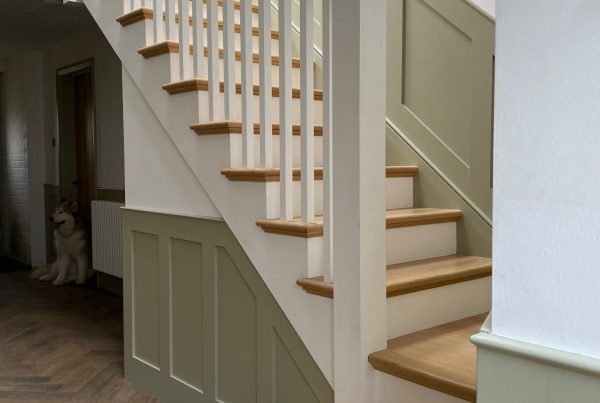
Materials, balustrades, and handrails can also be matched to the style of the home — whether that is traditional, period, or contemporary.
The Value a Proper Staircase Adds
Installing a compliant staircase does more than satisfy regulations. It also significantly improves the value and usability of the property.
Benefits include:
-
The loft can legally be counted as a habitable room
-
Increased property value
-
Better market appeal when selling
-
Comfortable daily use
A loft accessed by a ladder is rarely considered a true living space by surveyors or buyers.
A proper staircase transforms the loft into a fully integrated part of the home.
Final Thoughts
So, do you need a proper staircase for a loft conversion?
In almost all cases where the loft will be used as a bedroom, office, or living space, the answer is yes.
A permanent staircase ensures the loft is:
-
Safe
-
Comfortable
-
Practical
-
Compliant with Building Regulations
With thoughtful design, loft stairs can be integrated into the home with minimal disruption while adding significant value and functionality.
If you are considering a loft conversion, speaking with an experienced staircase designer early in the process can help ensure the layout works efficiently and meets all necessary regulations.
The right staircase design doesn’t just provide access — it turns your loft into a true extension of your home.
Contact us today to disucss your staircase requirements or use our online staircase builder tool.