
What is a Baserail?
When planning or refurbishing a staircase, you’ll come across many specialist terms—newel posts, spindles, handrails, and baserails among them. For homeowners, architects, and designers, understanding these parts is essential for creating a staircase that is both safe and stylish. One of the most overlooked yet important elements is the baserail.
This page explains what a baserail is, why it matters, the different types available, and how to choose the right one for your staircase project.
Defining the Baserail
A baserail (sometimes called a base rail) is the horizontal timber or metal rail fixed to the floor or string of a staircase, forming the foundation for the spindles (balusters). It runs parallel to the handrail and provides both structural stability and decorative continuity.
Put simply, if the handrail is the “top line” of your staircase balustrade, the baserail is the “bottom line.” It ensures that the spindles are evenly spaced, securely anchored, and perfectly aligned, giving the whole staircase a finished, professional look.
The Role of the Baserail in a Staircase
The baserail serves multiple purposes, both functional and aesthetic:
-
Structural Support – It holds the spindles firmly in place, ensuring they remain upright and evenly spaced. This adds strength to the balustrade system.
-
Safety – By keeping the spindles secure, the baserail prevents gaps that could compromise safety, particularly in family homes with children or pets.
-
Visual Symmetry – A baserail mirrors the handrail, creating a sense of balance and cohesion in the staircase design.
-
Customisation – Baserails can be simple and understated or feature grooves and detailing to complement traditional or contemporary interiors.
Without a baserail, many staircases would look incomplete and lack the necessary stability in their balustrade systems.
Where Will You Find a Baserail?
Baserails are typically found in two key places:
-
On the Stair Treads (Closed String Staircases) – Here, the baserail sits directly on the treads, providing a base for spindles that rise vertically to meet the handrail.
-
On the Landing Floor – Where the staircase transitions to a landing or gallery area, the baserail continues horizontally along the floor, supporting the spindles around the void.
In staircases with an open string (where treads are visible from the side), baserails are sometimes omitted, with spindles fixed directly into the treads instead. However, for closed-string and most landing applications, the baserail is an essential feature.
Types of Baserails
Not all baserails are the same. The style you choose will depend on your staircase design, interior theme, and budget. Common types include:
1. Grooved Baserails
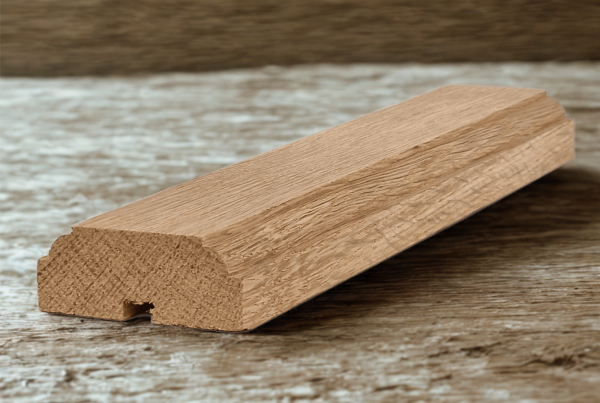
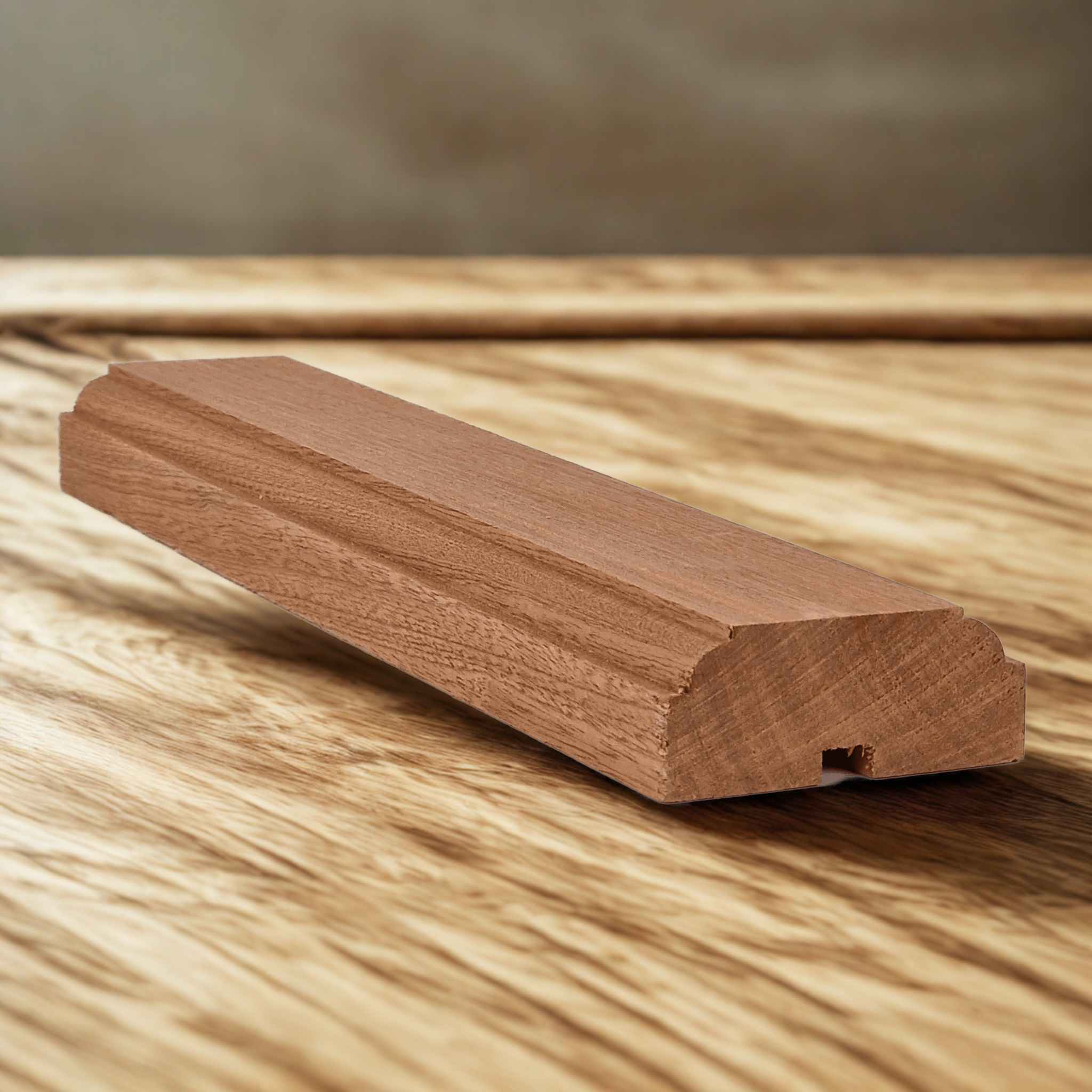
The most common type, grooved baserails feature one or more channels (grooves) cut along their length. These grooves house the spindles, which are fixed with spacers or infill strips to keep them secure and evenly spaced.
-
Best for traditional staircases
-
Works with timber spindles of varying shapes and sizes
-
Provides a neat, uniform appearance
2. Ungrooved Baserails
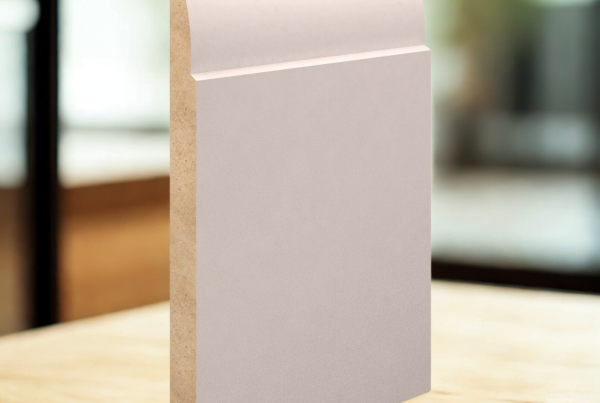
As the name suggests, ungrooved baserails have a smooth top surface with no channels. These are typically used for modern staircases where spindles or glass panels are fixed using brackets, clamps, or other hardware rather than sitting in a groove.
-
Perfect for minimalist or contemporary designs
-
Often paired with metal spindles or glass panels
-
Sleek and understated look
3. Glass Baserails
For staircases with glass balustrades, special baserail systems are available. These often include metal channels or clamps designed to hold toughened glass panels securely in place.
-
Maximises light and space
-
Ideal for modern, open-plan interiors
-
Requires precise installation for safety and alignment
4. Decorative Baserails
Some baserails feature moulded profiles, decorative edges, or period-style detailing. These are especially popular in heritage homes where authenticity and craftsmanship matter.
Materials for Baserails
Just like handrails, baserails come in a variety of materials to suit different aesthetics and budgets:
-
Timber – The most traditional choice, available in oak, pine, ash, beech, or walnut. Timber baserails can be stained, varnished, or painted to match the overall staircase design.
-
Metal – Aluminium or steel baserails are often used with glass panels or metal spindles, offering a sleek, contemporary look.
-
Hybrid Systems – Some modern designs combine timber and metal for a blend of warmth and modernity.
Choosing the right material is about balancing durability, maintenance, and visual appeal.
How Baserails Are Installed
Installing a baserail requires precision. The process typically involves:
-
Measuring and Cutting – The baserail is measured to fit the run of the staircase or landing and cut to size.
-
Fixing in Place – On stair treads, the baserail is screwed down securely. On landings, it is fixed directly to the floor.
-
Inserting Spindles or Panels – Grooved baserails allow spindles to slot into place, secured with spacers. Ungrooved designs require brackets or clamps.
-
Finishing Touches – Any gaps are sealed, surfaces are sanded, and the rail is stained, painted, or finished to match the handrail.
For complex designs, especially those involving curves or bespoke joinery, professional installation is strongly recommended.
Why the Baserail Matters in Design
It may seem like a small detail, but the baserail has a huge impact on the overall staircase. Without it, spindles can appear awkward, uneven, or poorly secured. With it, the balustrade has a clear structure, proportion, and flow that complements the rest of the staircase.
Think of it as the “stage” upon which your spindles or panels are set. Whether your staircase is grand and sweeping or compact and functional, the baserail ensures everything looks intentional and balanced.
Matching the Baserail to the Handrail
For a cohesive staircase design, the baserail should always complement the handrail. Many suppliers offer matching profiles so the two rails mirror one another perfectly. This creates a seamless aesthetic that enhances both traditional and contemporary interiors.
Some homeowners choose contrasting finishes—such as a painted baserail with a natural timber handrail—for a striking effect. The key is ensuring that the proportions and profiles remain consistent.
Maintenance and Care of Baserails
Like all timber or metalwork in the home, baserails benefit from a little maintenance:
-
Dusting and Cleaning – Regularly remove dust with a soft cloth to prevent build-up.
-
Repainting or Refinishing – Painted or stained timber may need touch-ups over time.
-
Checking Fixings – Ensure screws, brackets, or clamps remain secure, especially in high-traffic areas.
With proper care, a well-installed baserail can last decades.
Choosing the Right Baserail for Your Project
When selecting a baserail, consider:
-
The style of your staircase (traditional vs contemporary)
-
The material (timber, metal, or hybrid)
-
The type of balustrade (spindles vs glass panels)
-
Your budget and maintenance preferences
-
Whether you want a matching or contrasting finish with the handrail
For heritage homes, grooved timber baserails with turned spindles often look most authentic. For modern interiors, sleek ungrooved or metal baserails paired with glass can transform the feel of the space.
Final Thoughts
A staircase is more than just a way to move between floors—it’s a design feature that sets the tone for your home. While the handrail and spindles often steal the spotlight, the baserail plays an equally crucial role in balancing design, safety, and function.
By understanding what a baserail is, how it works, and the options available, you’ll be well-equipped to make informed choices for your staircase project. Whether you prefer the warmth of timber, the sleekness of metal, or the transparency of glass, the right baserail ensures your staircase is not only safe but beautifully finished.
Contact us today to disucss your staircase requirements or use our online staircase builder tool.