
Are Wood Spindles Out of Style?
When renovating a home or considering staircase upgrades, many homeowners ask the same question: “Are wood spindles out of style?” With so many modern materials available—metal, glass, and even composite—it’s easy to assume that wood has been left behind.
The truth is, wood spindles are not only still in style, but they’re also timeless, versatile, and compliant with UK building regulations. Whether your property is a Victorian townhouse in London, a modern new-build in Manchester, or a cottage in the Cotswolds, wooden spindles remain a classic choice that elevates your interior while adding warmth and elegance.
In this guide, we’ll explore why wood spindles will never go out of style, how they fit within UK safety and design standards, and why they remain a long-term investment for your home.
The Timeless Appeal of Wood Spindles
Wood has been a staple of British architecture for centuries, appearing in everything from grand Georgian staircases to contemporary oak finishes. Unlike trends that come and go, wooden spindles transcend time because of their adaptability.
-
Classic design – Traditional turned spindles bring heritage charm, perfectly suited for period properties.
-
Modern simplicity – Sleek square or chamfered spindles complement minimalistic interiors.
-
Natural beauty – The warmth of oak, pine, or ash creates a homely atmosphere that synthetic materials often lack.
Simply put, wood spindles aren’t tied to one era—they evolve with design trends while retaining their classic character.
Are Wooden Spindles Still in Fashion in the UK?
Absolutely. Many UK homeowners are rediscovering the beauty of natural materials. While glass and metal have grown in popularity, wooden spindles continue to dominate the market because they:
-
Suit all interior styles – From rustic country homes to sleek urban flats, wood works everywhere.
-
Offer customisation – They can be stained, painted, or carved to match your vision.
-
Provide warmth and depth – Wood softens interiors that might otherwise feel stark or cold.
-
Blend with existing décor – Unlike glass or steel, wood seamlessly integrates with floors, doors, and skirting boards.
Far from being outdated, wood spindles are enjoying a revival as homeowners seek sustainable, natural, and durable materials.
Wood Spindles and UK Building Regulations
When choosing spindles, aesthetics are important—but safety is paramount. UK building regulations, particularly Part K of the Building Regulations 2010, set strict standards for staircases and balustrades.
Here’s how wooden spindles fit perfectly into compliance:
-
Spacing – Spindles must be installed so that a 100mm sphere (roughly the size of a child’s head) cannot pass through gaps. Wooden spindles can be cut, turned, and spaced precisely to meet this rule.
-
Height – The balustrade must be at least 900mm high on stairs and 1100mm high on landings. Wooden spindles can easily achieve these measurements.
-
Strength and stability – Timber, when properly finished and installed, offers strength that meets UK safety requirements.
This makes wooden spindles not just stylish, but also a safe and regulation-friendly option for your staircase.
Types of Wooden Spindles
Wooden spindles come in a variety of styles, ensuring there’s a perfect match for every property.
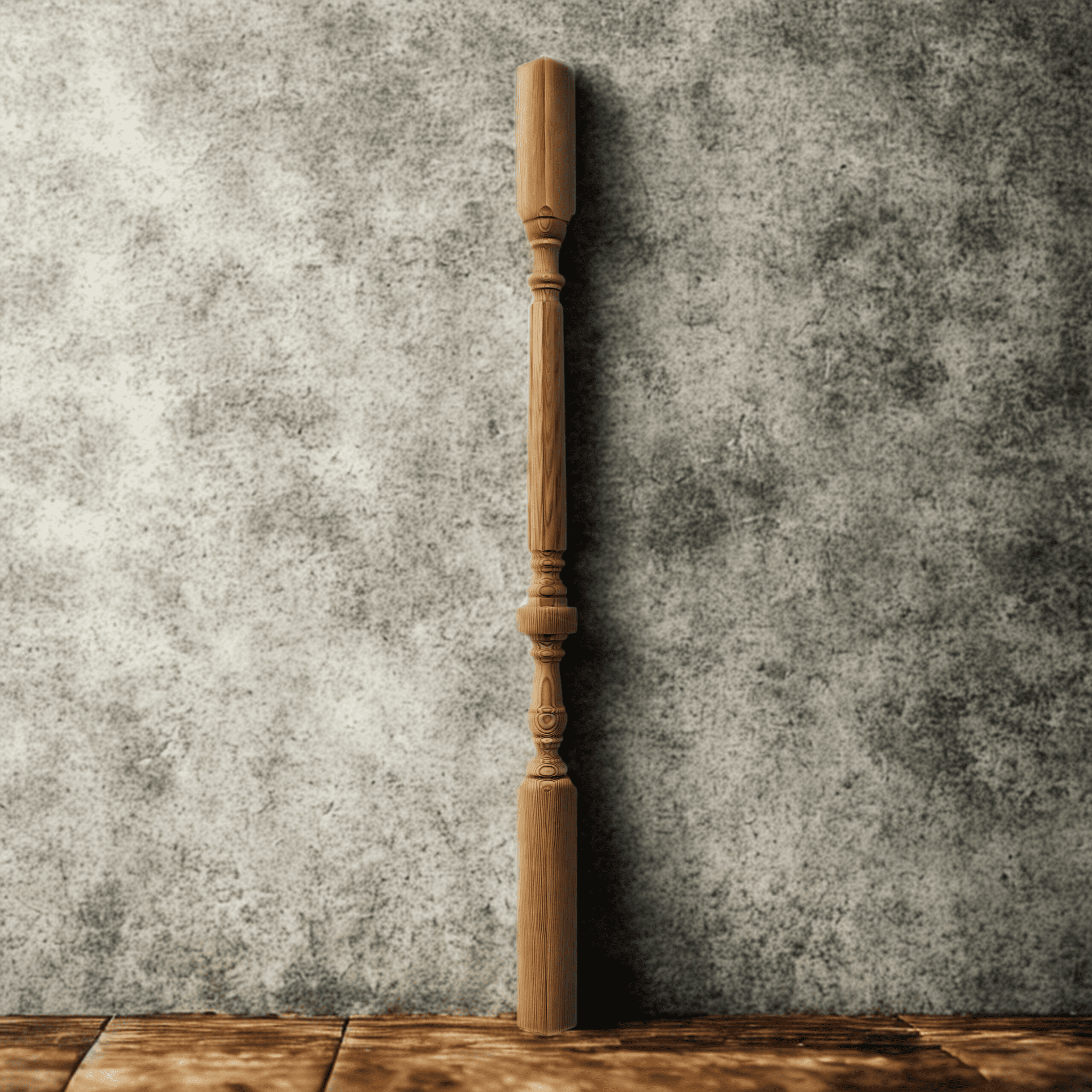
1. Turned Spindles
Featuring decorative shapes, turned spindles bring a traditional feel to interiors. Popular in Victorian and Edwardian homes, they’re ideal for those who want elegance and character.
2. Square Spindles
Straight, clean-lined spindles suit contemporary and minimalist interiors. Their simple design works beautifully with oak staircases or painted finishes.
3. Stop-Chamfered Spindles
These have a subtle bevelled edge, offering a middle ground between traditional and modern design. They’re versatile and timeless.
4. Custom Carved Spindles
For homeowners looking for bespoke finishes, spindles can be custom-carved to replicate period details or unique design features.
Benefits of Choosing Wood Over Other Materials
While glass and metal spindles may appear fashionable, wood consistently offers advantages that stand the test of time.
-
Durability – With proper treatment, wooden spindles can last decades.
-
Repairable – Unlike glass or steel, wood can be sanded, repainted, or refinished instead of replaced.
-
Sustainability – Responsibly sourced timber is a renewable material with a lower environmental footprint.
-
Warmth & acoustics – Wood absorbs sound and radiates natural warmth, creating a welcoming atmosphere.
-
Cost-effective – High-quality timber is often more affordable than bespoke glass installations.
Wood balances function, cost, and beauty in a way that other materials simply cannot.
Styling Ideas for Wooden Spindles
Wooden spindles are endlessly versatile. Here are a few ways UK homeowners are using them today:
-
Painted finishes – Crisp white spindles with a natural oak handrail for a modern, airy look.
-
Stained timber – Rich walnut or dark oak for heritage homes with character.
-
Two-tone design – Contrasting colours between handrail and spindles to make a statement.
-
Minimalist finish – Square spindles left in natural oak for a Scandinavian-inspired style.
The adaptability of wood ensures it can evolve with your décor—without ever looking outdated.
Why Wood Spindles Will Never Go Out of Style
Design trends fluctuate, but some features remain constant. Wood spindles are one of them. Here’s why:
-
Rooted in tradition – British homes have featured wooden spindles for centuries.
-
Adaptable to trends – Whether grey tones, Scandi minimalism, or period restoration, wood can be tailored to match.
-
Associated with quality – Wooden staircases evoke craftsmanship and permanence.
-
Future-proof – A wooden spindle staircase can be repainted or refinished as tastes change.
Simply put, wood spindles are not just in style—they’re a design investment that will remain relevant for generations.
Choosing the Right Wood for Your Spindles
Not all timbers are the same. Common choices in the UK include:
-
Oak – Strong, durable, and luxurious. Ideal for high-end finishes.
-
Pine – Affordable, versatile, and easy to paint or stain.
-
Ash – A lighter, contemporary wood with subtle grain patterns.
-
Sapele – Richly coloured hardwood for a more traditional appearance.
Each wood offers unique benefits, but all can be crafted into timeless spindles that fit your design needs.
Final Thoughts
So, are wood spindles out of style? The answer is a clear no. They remain a timeless, versatile, and regulation-compliant choice for UK homes. Whether you’re renovating a period property or designing a modern interior, wooden spindles provide warmth, elegance, and durability that other materials struggle to match.
Far from fading into the background, wood spindles are being celebrated once again as homeowners recognise the enduring appeal of natural materials. With their ability to evolve with trends while maintaining classic charm, wood spindles are not just in style today—they’ll remain in style tomorrow, and for generations to come.
Contact us today to disucss your staircase requirements or use our online staircase builder tool.