How High Should a Newel Post Be Above the Handrail?
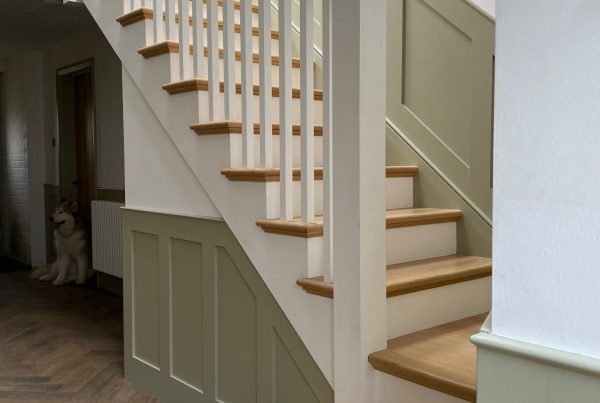
When installing or refurbishing a staircase, one of the most common questions homeowners, joiners, and builders ask is: how high should a newel post sit above the handrail?
Newel posts not only provide structural support to the staircase, but they also play a major role in its appearance and safety. Getting the height right is essential for compliance with UK building regulations, as well as for ensuring a professional and balanced finish.
In this guide, we’ll cover everything you need to know about newel post height above the handrail, referencing UK standards, practical considerations, and design tips.
What Is a Newel Post?
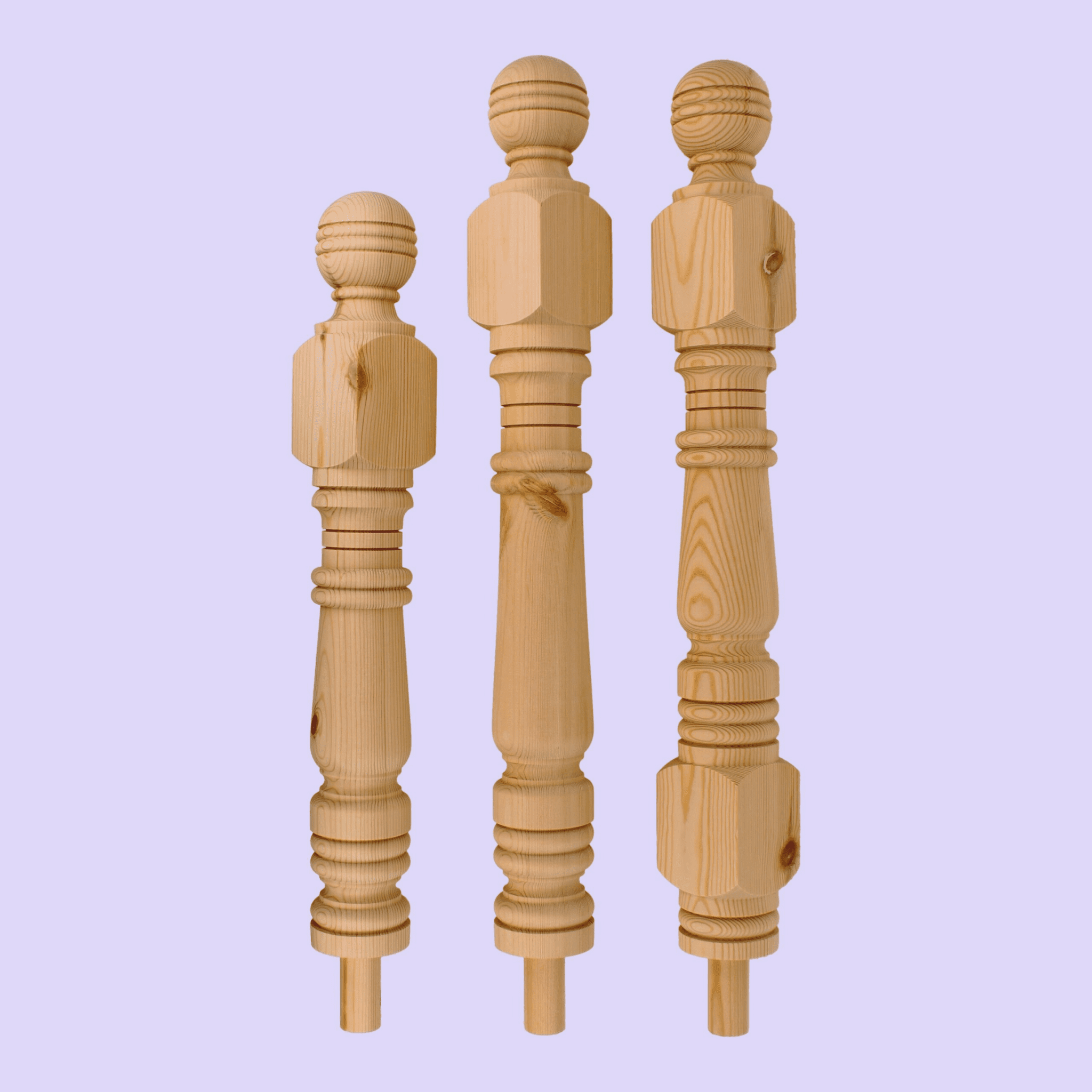
A newel post is the upright post that anchors the handrail at the top and bottom of a staircase, and sometimes at turns or landings. It serves two main purposes:
-
Structural support – securing the handrail and ensuring the balustrade is sturdy.
-
Aesthetic impact – defining the look of the staircase and creating a focal point in hallways and landings.
Because the newel post connects directly to the handrail, its height must be carefully considered.
UK Building Regulations for Staircases
Before addressing the specific height of a newel post above the handrail, it’s important to understand the rules that govern handrails and balustrades in the UK. These are primarily found in Approved Document K (Protection from falling, collision and impact) of the Building Regulations.
Key points from UK regulations:
-
Handrail height: Domestic stair handrails must be set between 900mm and 1000mm above the pitch line (the imaginary line connecting the nose of each tread).
-
Balustrade height: On landings, guarding should be a minimum of 900mm high.
-
Strength: Handrails and guarding must resist reasonable loads to prevent collapse or unsafe movement.
While the regulations specify handrail heights, they don’t provide an explicit measurement for how much higher a newel post should be. Instead, the guidance is based on practicality and aesthetics.
So, How High Should a Newel Post Be Above the Handrail?
In UK practice, a newel post typically extends 75mm to 150mm (3–6 inches) above the top of the handrail.
This extra height ensures:
-
A solid fixing point for the handrail.
-
Enough material for decorative newel caps or finials.
-
A visually balanced look between post and rail.
In most cases, a newel post should finish no less than 75mm above the handrail, but taller designs (100mm–150mm above) are common, especially in traditional staircases.
Why the Height Matters
The height of the newel post relative to the handrail is more than just a style choice—it influences both safety and visual harmony.
-
Safety
-
A newel post that is flush with the handrail may not provide sufficient anchorage.
-
Extra height ensures strong fixings and prevents wobbling or instability.
-
-
Aesthetics
-
A post that’s too tall can dominate the staircase and feel oversized.
-
A post that’s too short can look unfinished or awkward.
-
The ideal proportion ensures the post stands proud without overwhelming the design.
-
-
Cap and Finial Installation
-
Many staircases include decorative newel caps. These need adequate height above the handrail for proper fitting and visual effect.
-
Standard Heights for Newel Posts
Most off-the-shelf newel posts in the UK are manufactured to standard sizes, usually ranging between 1000mm and 1500mm overall height. The exact portion above the handrail will vary depending on your staircase layout and chosen style.
-
Half newel posts (used against walls) are usually shorter.
-
Full newel posts at the bottom of stairs tend to be taller to create a feature.
-
Landing newel posts often match or slightly exceed the bottom newel in height.
Practical Guidelines for Choosing Newel Post Height
When planning your staircase, here are some practical rules of thumb:
-
Maintain at least 75mm above the handrail.
This ensures strength and allows for a decorative cap. -
Check proportions.
Stand back and visualise how the post relates to the spindles and rail. A balanced look is key. -
Match across the staircase.
Keep newel posts consistent in height above the handrail, unless you’re deliberately creating a feature post. -
Consider design style.
-
Traditional designs often use taller posts with ornate caps.
-
Modern minimalist staircases may have posts closer to the handrail height.
-
Example Measurements
Let’s break down an example for clarity:
-
Handrail height: 950mm from pitch line.
-
Desired post projection: 100mm above the handrail.
-
Total post height: 1050mm from pitch line to top of post.
If adding a cap or finial, the post itself might need to be slightly taller, so that the overall finish still leaves around 100mm projection above the handrail.
Common Mistakes to Avoid
-
Cutting too short – Once trimmed, a post cannot be lengthened. Always measure twice before cutting.
-
Ignoring the cap – Forgetting to account for the thickness of a decorative cap may throw off proportions.
-
Mixing inconsistent heights – Mismatched posts can make the staircase look disjointed.
-
Going too tall – While regulations don’t forbid taller posts, overly long posts can look awkward and may feel intrusive in narrow hallways.
Should You Follow Regulations or Go by Style?
The official regulations focus on handrail height, not newel post height. This gives some flexibility for design. However, the safest and most common practice is to:
-
Keep posts between 75mm–150mm above the handrail.
-
Ensure all posts on a staircase follow the same proportion.
If you’re working on a listed property or unique architectural staircase, consulting with a joiner or building control officer may be wise.
FAQs About Newel Post Height
Q: Can a newel post be flush with the handrail?
Technically yes, but it is not recommended. A projection above the handrail ensures better strength and aesthetics.
Q: Do UK regulations state an exact measurement?
No. They specify handrail and balustrade heights, but not the exact projection of newel posts.
Q: What if I want a very modern look with minimal projection?
That’s acceptable, provided the post still secures the handrail firmly. Just ensure safety is not compromised.
Q: Should all newel posts in a staircase be the same height above the handrail?
Yes, consistency is important for both safety and appearance. The only exception is a deliberately taller feature newel at the bottom.
Conclusion – How high should a newel post be above the handrail?
While UK building regulations don’t set an exact requirement for how high a newel post must extend above the handrail, the accepted standard is around 75mm to 150mm higher.
This height range ensures a secure fixing, allows for decorative caps, and maintains a visually pleasing proportion. When in doubt, always prioritise consistency across your staircase and take into account both safety and style.
By following these guidelines, you can be confident that your staircase will not only comply with UK regulations but also look elegant and timeless in your home.
Contact us today to disucss your staircase requirements or use our online staircase builder tool.