
What is the Purpose of a Skirting Board?
Are you wondering What is the purpose of a skirting board? When designing or renovating a home, many people focus on big features like flooring, wall colours, or furniture. Yet, one of the most overlooked details is the skirting board. Despite often going unnoticed, skirting boards play a crucial role in both the function and aesthetics of a room. In the UK, they are an essential finishing touch that not only protects your home but also enhances its character.
In this guide, we’ll explore what is the purpose of a skirting board, why they matter, and why choosing wood skirting boards is a timeless decision that will never go out of style.
The Basic Function of a Skirting Board
At its core, a skirting board is a strip of material – traditionally made from timber – fitted at the base of an interior wall. Its purpose is twofold:
-
Protection: Walls, especially plastered ones, are susceptible to scuffs, knocks, and scrapes. Skirting boards form a protective barrier between everyday wear and tear and your wall surface. Whether it’s vacuum cleaners, furniture, or children’s toys, the skirting absorbs the impact instead of the plaster.
-
Covering Gaps: In most UK homes, there is a natural gap between the floor and the wall due to expansion, settlement, or construction tolerances. A skirting board neatly conceals this space, creating a seamless transition from wall to floor.
-
Finishing Touch: Beyond practicality, skirting boards provide an elegant finish. They give a room definition, prevent sharp corners where wall meets floor, and complete the overall look.
Skirting Boards and UK Building Practices
In the UK, skirting boards are more than decorative. They align with the traditional methods of construction and comply with common best practices. While not mandated by Building Regulations in the same way as fire safety or insulation standards, skirting is considered an essential finishing detail in residential and commercial properties alike.
Property developers, builders, and interior designers almost always include skirting boards in their plans, not only for visual appeal but also for durability and to meet customer expectations of quality workmanship.
The Timeless Appeal of Wood Skirting Boards
While skirting boards come in various materials – such as MDF, PVC, or composite – nothing compares to the enduring charm of wood.
-
Classic Look: Wooden skirting boards have been used in British homes for centuries, from Victorian townhouses to Georgian manors. Their natural grain, depth, and texture bring authenticity and warmth that synthetic materials simply cannot replicate.
-
Adaptability: Wood can be painted, stained, or varnished to suit your interior style. Whether you prefer crisp white gloss, deep mahogany, or a soft grey finish, wood adapts effortlessly.
-
Longevity: A well-maintained wooden skirting board can last decades, making it a cost-effective choice over time. Unlike cheaper alternatives that may chip or warp, quality timber retains its structure and beauty.
-
Sustainability: With responsible sourcing, wooden skirting boards can be an eco-friendly option. Many UK suppliers now provide timber from FSC-certified forests, ensuring your choice supports sustainable practices.
In short, wood is timeless, classic, and will never go out of style. It has graced the homes of the past and continues to suit modern interiors today.
Design Versatility: From Modern Minimalism to Period Homes
One of the greatest strengths of wooden skirting boards is their versatility.
-
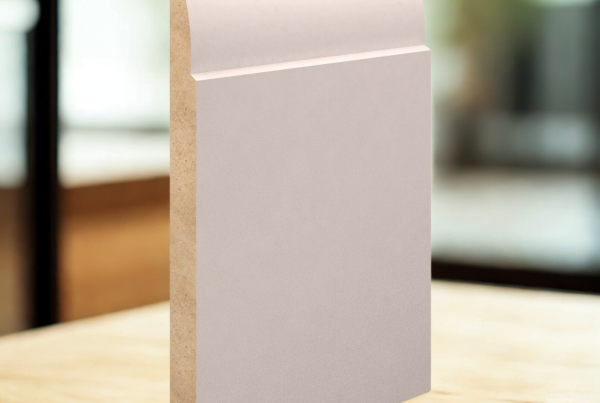
For Modern Homes: Choose sleek, square-edged wooden skirting for a clean, contemporary aesthetic. Painted in neutral tones, they complement minimalist spaces perfectly.
-
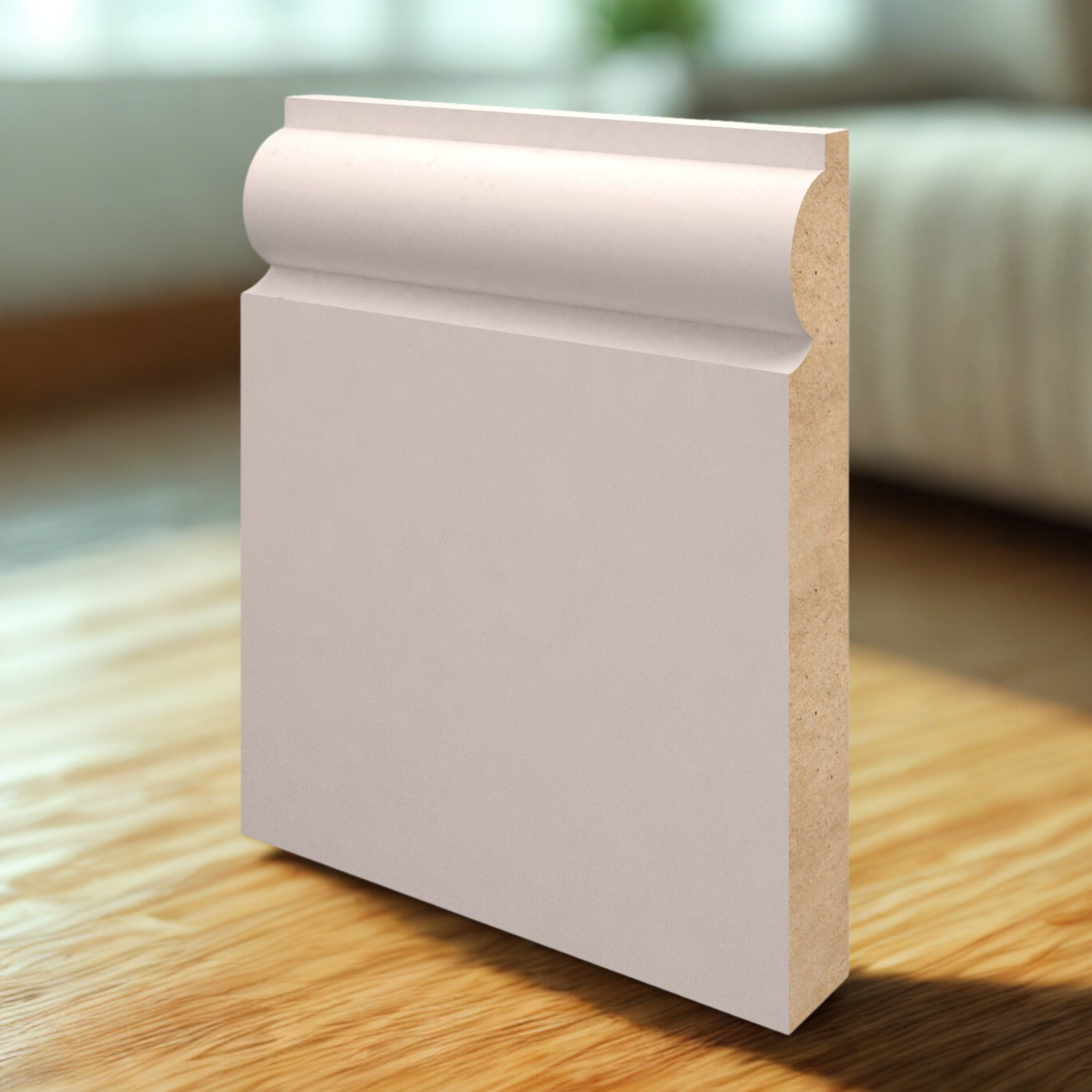
For Period Properties: Traditional designs such as ogee, torus, or Victorian-style skirting maintain historical authenticity. Wooden boards can be customised in height and profile to replicate original features, ideal for restoring heritage homes.
-
For Transitional Interiors: If your home blends modern and classic elements, wooden skirting bridges the gap. Its natural adaptability makes it suitable across design trends.
Skirting Height and Proportions in the UK
Choosing the right height and proportion for skirting is essential to achieve balance in a room. In the UK:
-
Standard skirting heights range from 120mm to 220mm, though taller options up to 400mm are popular in period properties with high ceilings.
-
Proportional design: A general rule is that the skirting height should complement the room’s ceiling height. Tall ceilings call for tall skirting; lower ceilings benefit from more modest profiles.
-
Customisation: Wood allows for bespoke cutting and shaping, ensuring a perfect match for your home.
Why Skirting Boards Never Go Out of Style
Interior trends come and go – bold wallpaper one decade, minimalistic walls the next. Yet, skirting boards have remained a consistent feature of UK homes for centuries. Why?
-
Practical Necessity: The need to protect walls and cover gaps will never disappear.
-
Cultural Expectation: In the UK, a room without skirting feels unfinished. Homebuyers expect it, and developers install it as standard.
-
Design Flexibility: From ornate carved profiles to understated straight lines, skirting can evolve with the times while remaining true to its purpose.
-
Timeless Material: Wood, in particular, ensures skirting will always exude elegance and sophistication, regardless of changing fashions.
Maintenance and Care for Wooden Skirting Boards
Wooden skirting boards are durable, but they do require care to keep them looking their best:
-
Regular Cleaning: Dust and wipe them down to prevent buildup.
-
Repainting or Restaining: Over time, paint may chip or finishes may dull. A quick refresh restores their original beauty.
-
Repairs: Unlike synthetic materials, wood can be sanded and refinished if scratched, extending its lifespan significantly.
Adding Value to Your Home
In the UK property market, small details matter. Skirting boards, especially wooden ones, contribute to the sense of quality and craftsmanship that buyers look for. Well-chosen skirting can:
-
Increase aesthetic appeal
-
Signal a well-maintained property
-
Provide continuity with other woodwork, such as doors and architraves
These details often make a house feel more “complete,” boosting its desirability and potentially its value.
Conclusion: The Purpose and Enduring Appeal of Skirting Boards
So, what is the purpose of a skirting board? It’s more than just decoration. Skirting boards:
-
Protect walls from damage
-
Cover unsightly gaps between walls and floors
-
Provide a finishing touch that elevates interior design
And when it comes to material, wood reigns supreme. With its timeless beauty, durability, and adaptability, wooden skirting boards are a classic choice that will never go out of style.
In the UK, where tradition and craftsmanship are so highly valued, wooden skirting boards continue to define homes old and new. Whether you’re renovating a period property or designing a modern interior, skirting boards are the understated feature that brings your space together.
Looking to add timeless elegance to your home? Explore our collection of high-quality wooden skirting boards – crafted to last, designed to impress, and guaranteed never to go out of style.
Take a look at our range of skirting boards here. If you are also interested in redesigning your staircase, why not try our online staircase builder tool.