
How to Fit a Staircase for a Loft Conversion: A Step-by-Step Guide
Want to know How to Fit Staircase for Loft Conversion? Loft conversions are one of the most popular home improvements in the UK, adding both space and value to a property. Whether you’re creating an extra bedroom, office, or studio, one of the most critical elements is how you access the space—and that means fitting a staircase.
Choosing and fitting the right staircase for your loft conversion is both a practical and design decision. In this guide, we’ll walk you through everything you need to know about fitting a staircase into your loft conversion—from legal requirements to design options and installation tips.
Why the Staircase is So Important
The staircase is the link between your main home and your newly converted loft. A poorly planned or badly fitted staircase can:
-
Make your loft feel disconnected or cramped
-
Reduce headroom and usable floor space
-
Compromise the layout of the floor below
-
Fail to comply with building regulations
On the other hand, a well-designed staircase can enhance both floors, act as a visual centrepiece, and improve property resale value.
Step 1: Understand UK Building Regulations
Before you begin any planning or installation, it’s essential to understand what UK Building Regulations require. Your staircase must meet the following criteria:
-
Pitch: Maximum pitch is 42 degrees.
-
Headroom: A minimum of 2 metres headroom is required above the pitch line of the stairs. In some lofts, you may be allowed 1.9 metres over the stairs and 1.8 metres over landings if space is restricted.
-
Width: No specific minimum, but 600mm is generally considered the absolute minimum for practicality, with 800mm+ being more typical.
-
Handrails and Balustrades: Required on all open sides of the staircase for safety.
-
Fire Safety: The staircase must provide safe and rapid escape. If your loft becomes a habitable room, it must be served by a full fire-rated stair and landing. In some cases, you may need to upgrade the fire protection in the floors below (e.g., fire doors or alarms).
Always consult your local building control authority or a qualified architect when planning a staircase for a loft conversion.
Step 2: Choose the Right Location
The location of the staircase will affect both the loft and the floor below. Ideally, it should:
-
Be above the existing staircase to minimise lost space
-
Fit within existing structural elements (joists, beams) without major alterations
-
Land into a circulation space (e.g., hallway or landing) rather than a bedroom
-
Be easy to access without disrupting existing layouts too much
Sometimes compromises are required, particularly in period homes with limited space. In tight spaces, alternatives like winder stairs or space-saver stairs (also called paddle stairs) may be considered, although these have limitations in terms of building regulations.
Step 3: Decide on Staircase Type
There are several types of staircases suitable for loft conversions, each with its pros and cons:
Straight Staircase
-
Pros: Easiest to install, most cost-effective, good for transporting furniture
-
Cons: Requires more horizontal space
Winder Staircase
-
Pros: Takes up less space by including turns
-
Cons: More complex to build, may reduce usable tread width
Spiral Staircase
-
Pros: Compact and stylish
-
Cons: Often not compliant as the main access to a habitable room
Space Saver Staircase
-
Pros: Extremely compact
-
Cons: Only permitted in very specific circumstances (e.g., to a single study or occasional use room—not a main bedroom)
A timber staircase is most common in domestic lofts due to its flexibility, aesthetics, and ease of manufacture.
Step 4: Design to Match Your Home
Once you’ve chosen the type of staircase, think about its visual impact. This is especially important in traditional UK homes where the staircase should blend seamlessly with existing architecture.
Consider:
-
String design (cut string vs closed string)
-
Balusters (spindles): square, turned, twisted, or metal
-
Newel posts: traditional, chamfered, or contemporary
-
Tread and riser finishes: stained timber, painted timber, or carpeted
-
Handrails: wall-mounted, continuous, or integrated with the balustrade
For lofts in Georgian, Victorian or Edwardian homes, a sympathetic traditional staircase in matching timber adds elegance and authenticity. In modern lofts, minimalist timber or metal staircases work well.
Step 5: Structural Preparation
Before installation, a structural opening must be created in the loft floor. This should be carried out by a qualified builder or structural engineer.
Key tasks include:
-
Removing floor joists where the stairwell will go
-
Adding trimming joists around the opening to transfer loads
-
Reinforcing existing joists as needed
-
Checking for services (electrics, plumbing) that may need rerouting
This is a crucial phase—incorrect preparation can weaken the structure of your home.
Step 6: Staircase Manufacture and Delivery
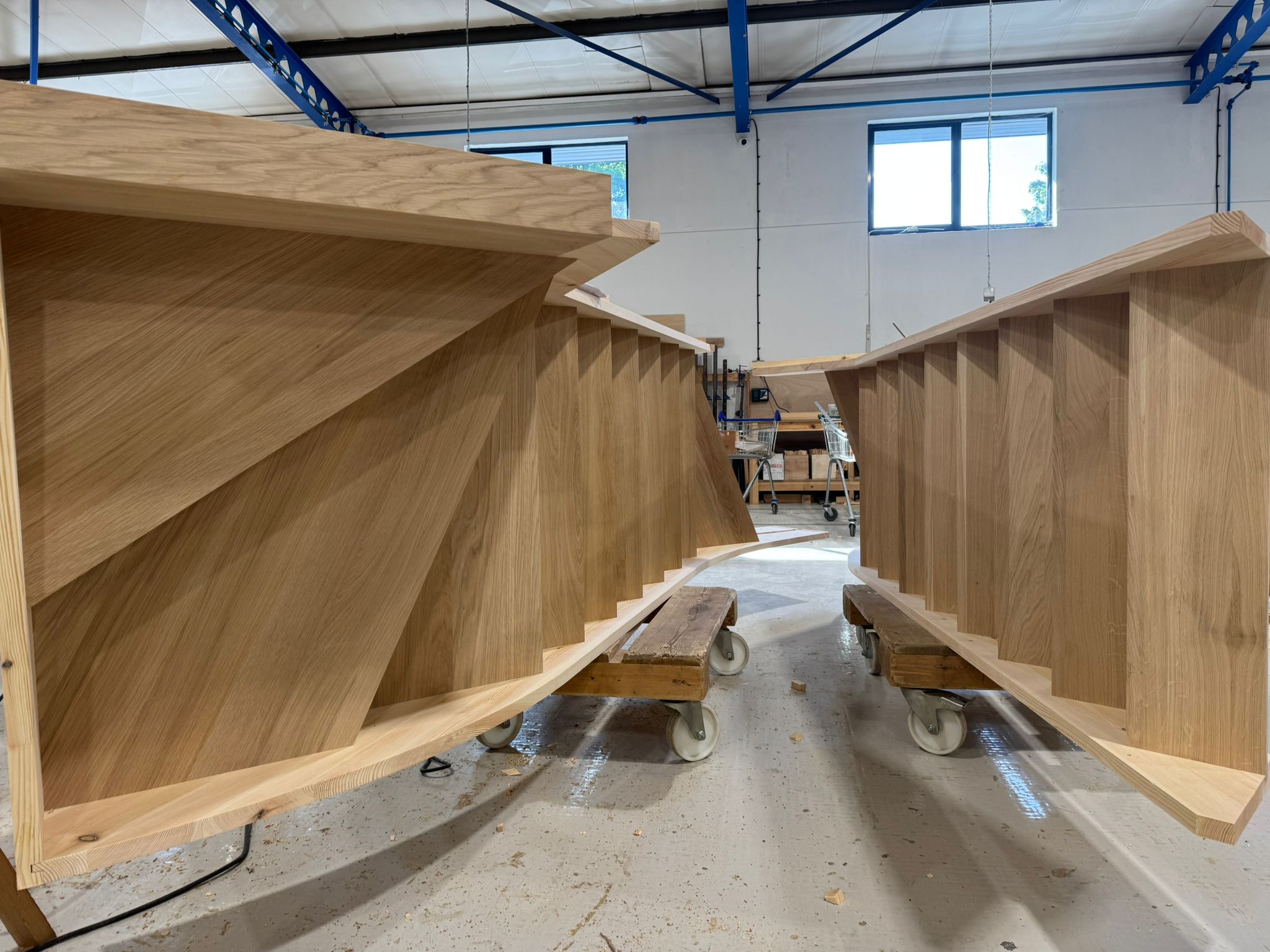
Many homeowners opt for bespoke staircases, especially when working in awkward loft spaces or period homes. A bespoke staircase will be measured, manufactured, and often dry-assembled in the workshop before delivery to site.
You will need to provide:
-
Exact floor-to-floor measurements
-
Preferred materials and finishes
-
The location of walls, doors, and ceiling slopes
Lead times vary from 2 to 6 weeks, depending on complexity and supplier.
Step 7: Fitting the Staircase
Staircase fitting is a skilled job and should always be done by experienced joiners or carpenters.
The fitting process typically includes:
-
Manoeuvring the stair into place (may require removing parts of windows or doors)
-
Fixing the staircase securely to the floor and trimming joists
-
Installing the balustrade, spindles, and newel posts
-
Making good any plasterwork, skirting, or finishes disrupted during fitting
This is usually done towards the latter half of the loft conversion project, once structural, insulation, and major services are in place.
Step 8: Finishing Touches
After the staircase is fitted, it’s time to complete the aesthetic elements:
-
Sanding and staining or painting timber
-
Installing carpets or stair runners, if desired
-
Adding wall-mounted lighting to highlight the staircase
-
Final snagging to address squeaks, loose parts, or scuff marks
Done right, the staircase becomes a standout feature, not just a means of access.
How to Fit Staircase for Loft Conversion
Fitting a staircase for a loft conversion is one of the most technically challenging parts of the project, but also one of the most rewarding. A well-designed, well-fitted staircase adds value, functionality, and architectural beauty to your home.
If you’re considering a loft conversion, consult with a specialist staircase manufacturer or joinery company early in the design process. Their expertise can save you time, money, and space—ensuring your new loft is fully integrated into the fabric of your home.
Looking for a traditional timber staircase that complements your period home? Our expert craftsmen specialise in bespoke staircase design for loft conversions across Georgian, Victorian, and Edwardian properties. Contact us today for a free consultation and quote or try our online staircase builder.