
Can I Add a Staircase to My Attic?
Can I Add a Staircase to My Attic? Converting your attic into a usable space—whether it’s for a bedroom, home office, or storage—is one of the most cost-effective ways to add value and functionality to your home. But before you start imagining skylights and floorboards, there’s one crucial element that must be considered first: the staircase.
Adding a staircase to your attic isn’t just a matter of squeezing in some steps. It involves careful planning, compliance with UK Building Regulations, and finding a design that’s both safe and space-efficient. In this article, we’ll explore whether you can add a staircase to your attic, and everything you need to know to make it happen.
Is It Possible to Add a Staircase to My Attic?
In most UK homes, the answer is yes—you can add a staircase to your attic. However, how straightforward the process is depends on the size, structure, and layout of your existing home. Victorian terraces, Georgian townhouses, post-war semis and new-builds each come with their own challenges and opportunities when it comes to attic access.
The key question is whether there is enough headroom and floor space to install a staircase that complies with safety standards while still being practical and aesthetically pleasing.
What Are the Building Regulations for Loft Staircases?
In the UK, any loft conversion or attic staircase installation must comply with Building Regulations. These regulations are not just bureaucratic hurdles—they are essential safety standards that ensure your staircase is safe to use, fire-resistant, and structurally sound.
Here are the key staircase-related requirements:
1. Minimum Headroom
You must have a minimum of 2 metres of headroom at the centre of the staircase. This can be reduced to 1.9m at the edges in sloping ceilings (such as in a pitched roof), but only where unavoidable.
2. Maximum Pitch
Staircases must have a maximum pitch of 42 degrees, which ensures the stairs aren’t too steep.
3. Tread and Riser Sizes
Each step must have consistent tread depth and riser height. Treads should be deep enough for your foot to rest comfortably—generally a minimum of 220mm for the tread and maximum of 220mm for the riser.
4. Width
There is no strict minimum width, but 600mm is generally considered the minimum usable width for a staircase. Most loft conversions aim for at least 650–800mm.
5. Handrails and Balustrades
If your staircase has a drop of more than 600mm, a handrail is required. Balustrades must also comply with spacing rules to prevent falls.
6. Escape Routes
If your attic conversion is becoming a habitable space (e.g., a bedroom or office), fire safety measures such as fire-rated doors, smoke alarms, and clear escape routes must be in place.
Always consult your local Building Control department early in the process to avoid costly mistakes or delays.
What Type of Staircase Can I Use?
When it comes to loft access, not all staircases are created equal. Depending on the available space and usage, you might choose from the following:
1. Full Staircase (Standard)
This is the preferred and most compliant type if your attic is to become a regular living space. It offers the most comfort and ease of use. You’ll need enough floor space and headroom to accommodate this.
2. Winder Staircase
Winder staircases include angled or pie-shaped treads that allow the stairs to turn in a tighter space. They’re often used in loft conversions where a straight run won’t fit. They’re legal and compliant when designed correctly.
3. Spiral Staircase
A compact, space-saving option that can be suitable for certain lofts. However, Building Regulations usually only allow spiral staircases as a secondary means of access unless they meet specific measurements and compliance for main access.
4. Alternating Tread Staircase
These are only allowed in very limited situations where there is not enough space for a standard staircase, and only when the attic is being used for storage or infrequent access—not as a habitable room.
Where Can I Position the Staircase?
The ideal position for your attic staircase will depend on your home’s current layout. The most common options include:
-
Above the existing staircase: This is often the most efficient design, keeping the staircases aligned and minimising structural work.
-
Cutting into a large bedroom or landing: In some cases, part of a room can be sacrificed to make way for a staircase.
-
Corner of the hallway or a boxed-in stairwell: This is more common in smaller homes where space is tight.
You’ll need to factor in supporting walls, roof trusses, and joist direction, all of which can affect where and how a staircase can be installed.
Do I Need Planning Permission?
In most cases, planning permission is not required to add a staircase to your attic, especially if you’re converting it under Permitted Development Rights. However, there are exceptions:
-
If your property is listed
-
If you live in a conservation area
-
If the loft conversion involves altering the roofline
Regardless, Building Regulations approval is always required.
Can I Design a Bespoke Staircase for My Loft?
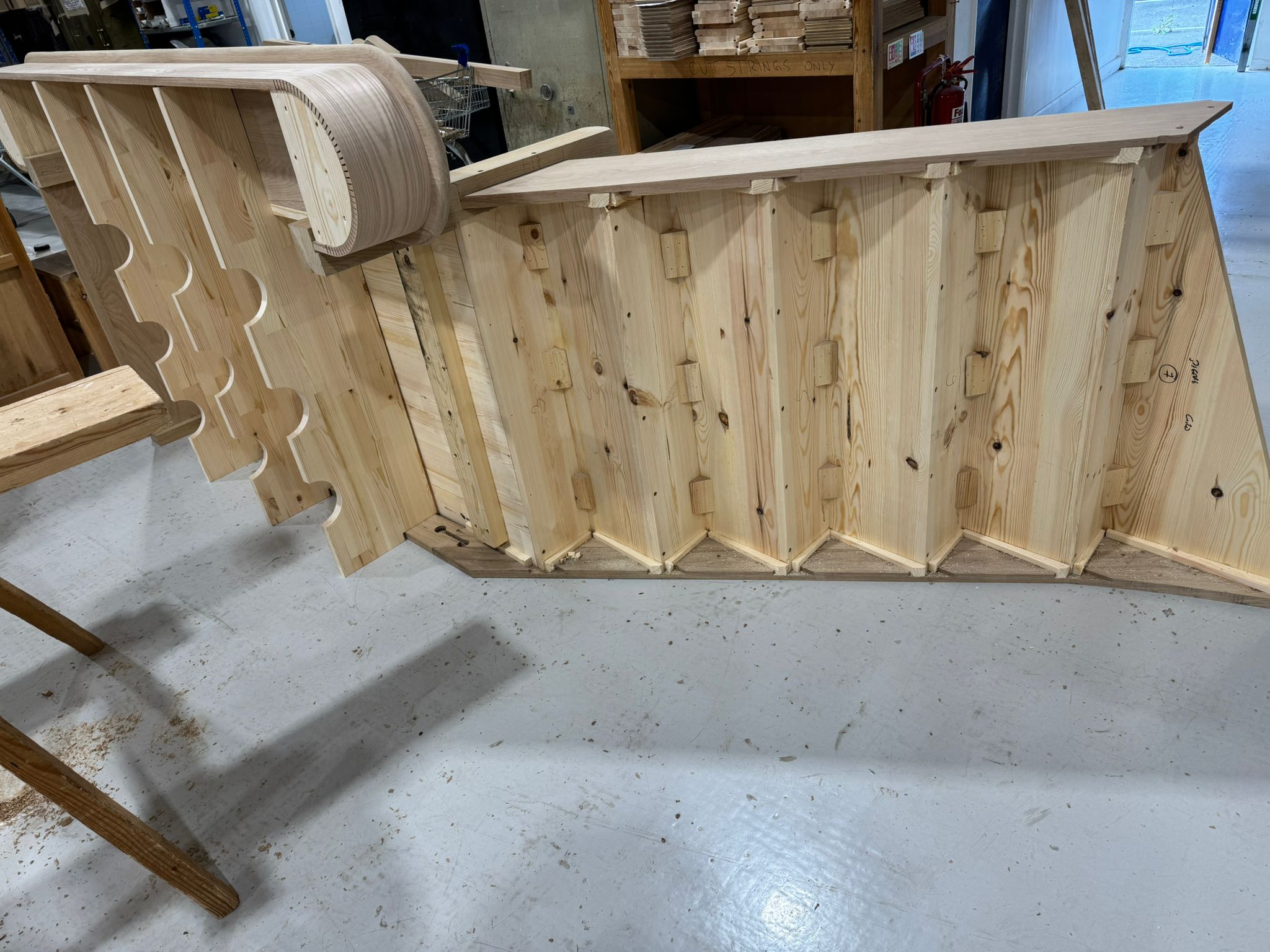
Yes—and in many cases, a bespoke staircase is the best solution for attic access. A well-designed timber staircase can blend seamlessly into your home’s existing aesthetic and maximise available space.
Some homeowners opt for traditional craftsmanship, such as cut-string Victorian-style stairs, or modern floating staircases to suit contemporary lofts. A staircase isn’t just a functional necessity—it’s also a design statement.
Make sure to work with a specialist staircase manufacturer who can guide you through both compliance and customisation.
Final Thoughts: Plan Early, Build Smart
Adding a staircase to your attic is not only possible—it’s an essential first step in any loft conversion. But don’t underestimate the complexity of the task. Early planning, a clear understanding of Building Regulations, and choosing the right design will ensure your staircase is safe, stylish, and functional.
Whether you’re after a simple, space-saving design or a bespoke timber showpiece, investing in the right staircase will transform your attic into a valuable part of your home.
Need expert advice on staircase design for your loft conversion? Speak to a specialist in traditional and bespoke timber staircases to discuss options that suit your space, budget, and building regulations. Contact us today or use our online stairbuilder tool.