Do Stairs Need Newel Posts? A Complete Guide for UK Homes
When planning or renovating a staircase, one of the most common questions homeowners ask is: “Do stairs need newel posts?” While they may appear to be decorative features, newel posts actually play a crucial role in both the safety and stability of staircases in the UK. This guide explains what newel posts are, whether they are required by law, and the key considerations under UK building regulations.
What Is a Newel Post?
A newel post is the upright supporting post found at the top and bottom of a staircase, and sometimes at points where the staircase changes direction. Traditionally made from timber, but also available in metal, glass, or composite designs, newel posts serve two purposes:
-
Structural – They anchor the handrail and balustrade, keeping the staircase rigid and safe.
-
Aesthetic – They provide a focal point, often carved or designed to match the style of the property.
Without newel posts, a staircase can lose both its strength and its visual balance.
Do UK Regulations Require Newel Posts?
Strictly speaking, UK Building Regulations do not specifically state that a staircase must have newel posts. What they do require is that staircases are safe, stable, and compliant with standards for guarding, handrails, and load-bearing.
In practice, most staircases in the UK use newel posts to meet these requirements because:
-
They provide anchoring points for handrails and balustrades.
-
They ensure the staircase can withstand the loads and forces applied during everyday use.
-
They make it easier to comply with Part K of the Building Regulations, which covers protection from falling, collision, and impact.
So, while you might design a staircase without newel posts (such as some modern floating staircases), you must still prove that the structure is safe and compliant with regulations.
UK Building Regulations and Staircase Safety
The relevant guidance comes from Approved Document K of the Building Regulations. Here are some key points:
-
Handrails must be provided on at least one side of all staircases, and on both sides if the stairs are wider than 1 metre.
-
Guarding (such as balustrades) must be provided to prevent falls from stairs or landings more than 600mm above floor level.
-
Handrail height should be between 900mm and 1000mm, measured from the pitch line of the stairs.
-
Load-bearing – The guarding system, including balustrades and posts, must resist reasonable forces without failing.
Newel posts are not named directly, but they are the most common method of ensuring handrails and balustrades remain secure and load-bearing.
Can You Have Stairs Without Newel Posts?
Yes, but only in carefully designed systems. Modern architectural trends often favour minimalist staircases with open sides, glass balustrades, or “floating” steps fixed directly into the wall.
In these cases, instead of newel posts:
-
Structural glass or steel frameworks provide stability.
-
Handrails may be fixed directly into walls.
-
Cantilevered designs rely on hidden supports rather than visible posts.
However, these types of staircases are more expensive and require specialist design to meet UK Building Regulations. For most traditional and affordable staircases, newel posts remain the simplest and most reliable option.
Why Newel Posts Are Recommended
Even though not always legally mandatory, newel posts are strongly recommended for the following reasons:
1. Safety
They prevent the staircase from wobbling or flexing under use. Without solid newel posts, handrails can become loose, creating a major fall hazard.
2. Compliance
They make it much easier to meet the strength and stability requirements of the regulations. A properly fitted newel post ensures your balustrade and handrail system will pass inspection.
3. Durability
Newel posts absorb the wear and tear of everyday use – especially at the bottom of the staircase, where people often grab the handrail first.
4. Style
From sleek modern square posts to ornate traditional designs, newels set the tone for your staircase and help it blend with the rest of your home’s décor.
Placement of Newel Posts
In most UK staircases, newel posts are found at:
-
The bottom of the stairs – providing the main anchor point.
-
The top of the stairs – securing the handrail at landing level.
-
Intermediate points – at corners, winders, or halfway landings where the staircase changes direction.
This arrangement ensures maximum strength and compliance with regulations.
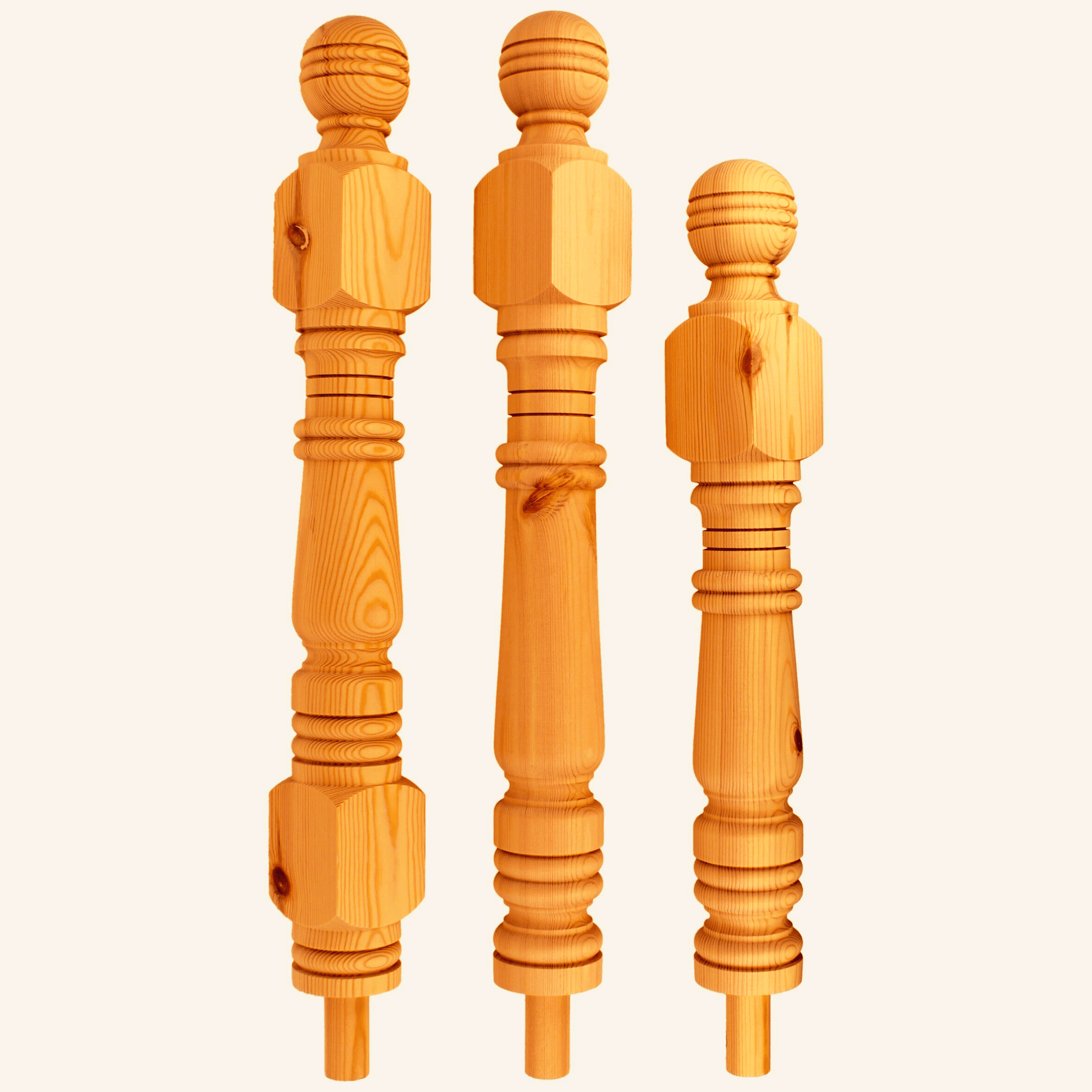
Common Types of Newel Posts
If you’re planning or upgrading your staircase, you’ll likely come across several types of newel posts:
-
Full Newel – A large, structural post at the start or end of the staircase.
-
Half Newel – Fixed against a wall, typically at landings where the balustrade meets a wall.
-
Pin Top Newel – A slimmer post designed to hold a handrail fitting.
-
Box Newel – A chunkier, more decorative option often found in period homes.
The choice depends on both structural needs and your interior design preferences.
FAQs About Newel Posts in the UK
Do I legally need a newel post at the bottom of the stairs?
Not by name, but you do need a secure anchor for your balustrade and handrail. In most cases, this will be a newel post.
Can I remove old newel posts?
Yes, but you must replace them with another structural solution that ensures the staircase remains safe and regulation-compliant.
Are newel posts just decorative?
No. While they can be decorative, their primary role is structural support.
What if my staircase is against a wall?
You may not need a newel post at every point, as the wall can provide support for the handrail. However, at open sides and landings, posts are usually still required.
Choosing the Right Newel Post
When selecting newel posts for your staircase, consider:
-
Material – Timber for warmth and tradition, metal for modern minimalism, or glass/steel combinations for contemporary designs.
-
Size – Ensure the post is proportionate to the staircase width and handrail.
-
Style – Square, turned, or box newels can all change the character of your staircase.
-
Installation – Always ensure they are securely fixed, ideally by a professional joiner.
Conclusion – Do stairs need newel posts?
-
UK Building Regulations don’t specifically demand them, but they do require staircases to be safe, secure, and properly guarded.
-
In practice, newel posts are the most straightforward and reliable way to achieve compliance.
-
They also add durability and style, making them a practical and attractive choice for most UK homes.
Whether you’re installing a new staircase or renovating an existing one, newel posts remain a tried-and-tested solution that balances safety, regulation, and design.
Contact us today to disucss your staircase requirements or use our online staircase builder tool.