Loft Staircase Design: A Guide for UK Homeowners
Looking for loft staircase design ideas? Loft conversions are one of the most popular ways to extend usable space in UK homes, especially in urban areas like London where square footage is at a premium. Whether you’re adding a bedroom, home office, or en suite, a well-designed staircase is essential—not only for access, but also to enhance the character and functionality of your home. In this blog, we explore everything UK homeowners need to know about loft staircase design, from building regulations to aesthetic choices.
Why Loft Staircase Design Matters
Many homeowners treat the staircase as an afterthought in a loft conversion. But in reality, it’s a central architectural element that affects your layout, daylight flow, and resale value. A poorly positioned or awkwardly designed staircase can make your loft feel cramped or disjointed, while a thoughtful design adds elegance and flow.
Because UK homes, especially period properties, have a wide variety of layouts, there is no one-size-fits-all solution. That’s why custom or bespoke staircase design is often the best approach for a seamless result.
Building Regulations and Compliance in the UK
Before any design work begins, it’s essential to understand UK Building Regulations that apply to loft staircases. The main rules are:
-
Minimum Headroom: At least 2 metres of headroom above the staircase (1.9 metres in some circumstances).
-
Pitch: The maximum pitch allowed is 42 degrees.
-
Width: There’s no specific minimum width, but anything below 600mm is generally too narrow for comfortable use.
-
Landing Area: There must be a safe landing at the top and bottom of the staircase.
-
Fire Safety: If your loft becomes a habitable space, it must meet fire safety regulations—this usually involves adding fire doors, alarms, and possibly a fire-resistant staircase enclosure.
Always work with a qualified architect or staircase specialist who is familiar with UK regulations.
Common Staircase Types for Lofts
Your home’s layout, roof shape, and available space will determine which staircase type is most suitable. Here are the most common options:
1. Straight Staircase
The simplest design, ideal for layouts where space allows. Straight stairs are easy to build, cost-effective, and often preferred by building inspectors due to ease of escape in emergencies.
2. Winder Staircase
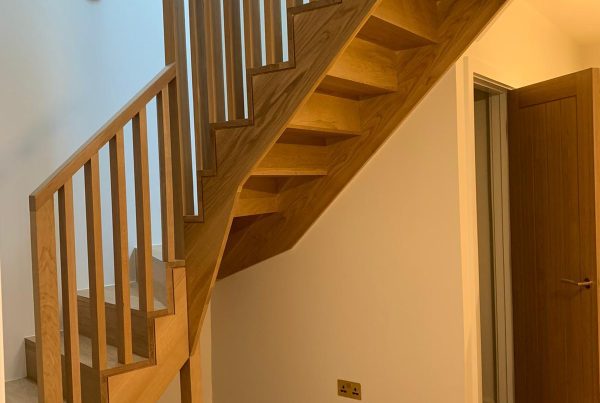
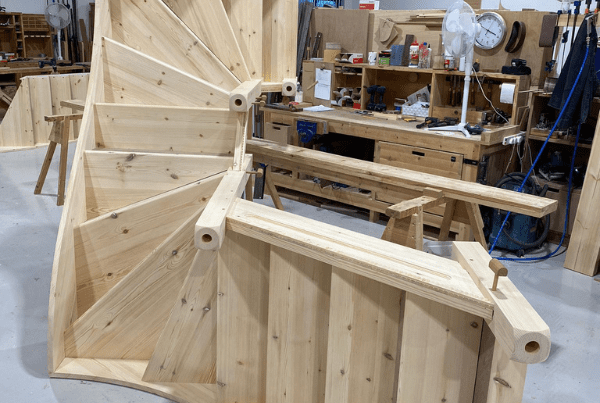
This design turns corners using wedge-shaped treads. Winders are popular in loft conversions because they save space while still looking elegant. They can be single- or double-winder depending on the angle needed.
3. Spiral Staircase
Compact and stylish, spiral staircases are best used in secondary or occasional-use loft spaces. While they save floor space, they can be harder to climb and don’t always meet building regulations for main habitable rooms.
4. L-Shaped or U-Shaped Staircases
Ideal for more generous floor plans, these designs offer a stylish visual break and can be easier to integrate into complex layouts. They also tend to feel safer and easier to navigate than steep, straight runs.
Design Considerations: Blending Function and Aesthetics
Space Efficiency
Loft staircases often need to be compact without feeling cramped. Good design makes use of awkward corners or integrates the stair into existing circulation areas, such as above the existing staircase or through a landing.
Natural Light
Positioning the staircase near a window or installing a skylight above it can draw daylight deep into your home, making the entire space feel more open. Open riser staircases also allow light to pass through.
Material Choices
Timber is the most common material used for loft staircases in UK homes, especially when blending with existing period features. Oak, ash, and pine are durable and warm options. For a contemporary twist, you might choose a combination of timber and glass balustrades, or even powder-coated steel for a minimalist look.
Storage Integration
Many UK homes are tight on storage. Clever staircase design can incorporate built-in cupboards, drawers, or even bookshelves beneath the stairs to maximise every inch.
Period-Appropriate Loft Staircases
If your home is Georgian, Victorian, or Edwardian, a loft staircase that respects your property’s architectural heritage will boost both aesthetic appeal and value.
-
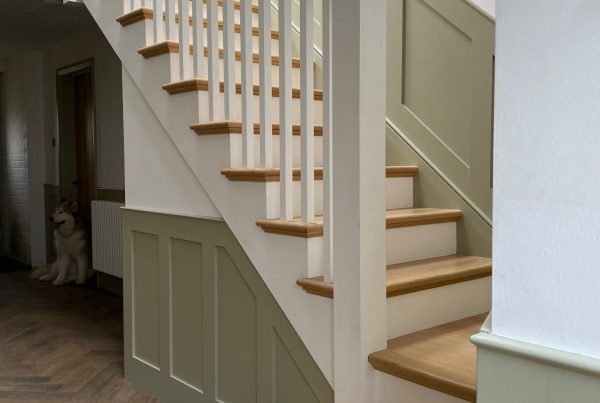
Georgian Homes often benefit from grand cut-string staircases with elegant turned balusters and sweeping handrails.
-
Victorian Properties lend themselves well to richly stained timber, ornate spindles, and carved newel posts.
-
Edwardian Houses typically feature simpler, painted timberwork with robust square newels and more modest detailing.
Contemporary additions can work well too—but in period homes, it’s often better to blend modern design subtly rather than create a jarring contrast.
Loft Staircase Placement: Finding the Best Spot
Where you place your loft staircase will impact both floors of your home. Ideally, it should:
-
Flow naturally from the first-floor landing
-
Avoid reducing usable space in key rooms
-
Respect existing headroom and roof structure
-
Align with structural joists for cost-effective installation
Positioning the staircase directly above the existing staircase is often the most efficient and regulation-friendly approach. However, in smaller terraced homes, it may be better to borrow space from a large bedroom or extend into a dormer to accommodate the stairs.
Cost and Budgeting for a Loft Staircase
The cost of a loft staircase varies depending on materials, complexity, and whether you opt for bespoke joinery.
Remember, investing in a quality staircase can significantly impact how your loft feels and functions—and poor choices can make your conversion feel like a compromise.
Sustainability and Timber Sourcing
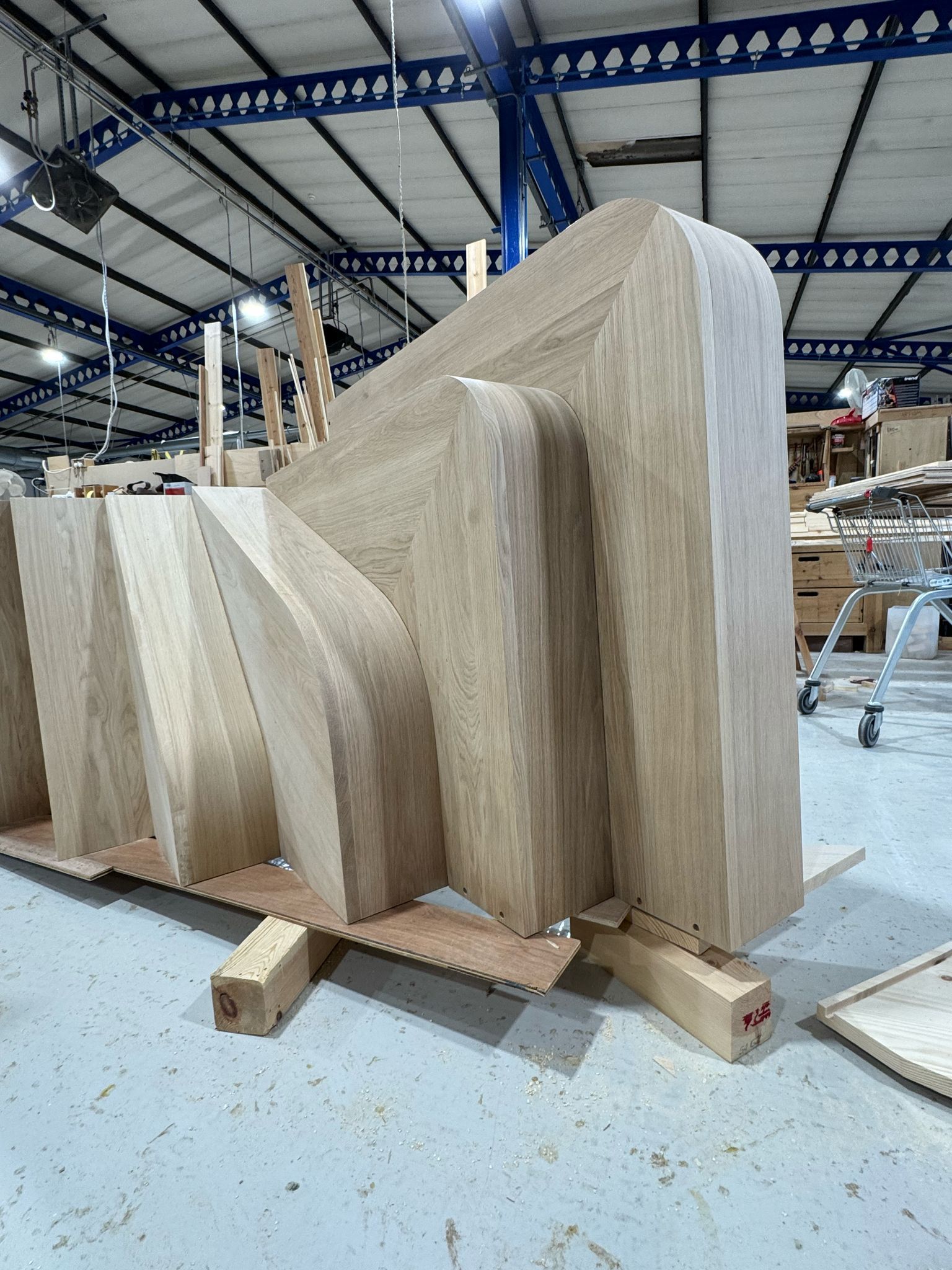
For environmentally conscious homeowners, it’s worth checking that your staircase is made from sustainably sourced timber. Many premium staircase manufacturers in the UK now offer FSC-certified timber, low-VOC finishes, and even carbon-neutral production facilities.
If you’re working with a specialist joinery firm, ask about their green credentials, such as using biomass heating or solar-powered workshops. These details can also appeal to future buyers.
Conclusion: A Small Space with a Big Impact
A loft staircase might occupy just a few square metres, but it carries enormous importance in terms of safety, flow, and style. By balancing practicality with good design, and respecting both modern regulations and your home’s heritage, your loft staircase can become a centrepiece of your conversion—rather than a constraint.
Whether you’re working with an architect, builder, or bespoke staircase company, start the conversation early and don’t be afraid to push for a solution that works beautifully in your home.
Contact our friendly team today or try our online staircase builder tool.