What Can I Do to My Loft Without Planning Permission?
What can I do to my loft without planning permission? Converting or upgrading your loft is one of the most popular ways to add value, space and functionality to your home. But one of the first questions homeowners ask is: “Do I need planning permission?”
The good news? In many cases, you can carry out a loft conversion without applying for planning permission, thanks to Permitted Development Rights (PDR). However, there are rules, restrictions and conditions you must follow.
This blog explains exactly what you can do to your loft without planning permission in the UK, what the limits are, and when you may need formal approval.
What Are Permitted Development Rights?
Permitted Development Rights are a set of planning rules granted by the government that allow certain building works and changes of use to be carried out without the need for full planning permission.
Loft conversions fall under Class B of the Town and Country Planning (General Permitted Development) (England) Order 2015. If your project stays within these rules, you won’t need to go through a full planning application.
What Loft Improvements Are Allowed Without Planning Permission?
1. Loft Conversions with Dormers
One of the most common types of loft improvements is the addition of rear dormer windows to increase head height and usable space. Dormers can usually be added under permitted development as long as:
-
The additional volume created does not exceed:
-
40 cubic metres for a terraced house
-
50 cubic metres for a semi-detached or detached house
-
-
The dormer is not higher than the existing roof.
-
It does not extend beyond the plane of the existing front roof slope (visible from the road).
-
Materials used are similar in appearance to the existing house.
-
The dormer does not overhang the outer face of the wall of the original house.
2. Rooflights and Skylights
Installing rooflights or Velux-style windows on the roof slope facing the rear or sides of your property is generally allowed without planning permission, providing:
-
They do not project more than 150mm from the roof surface.
-
They are not higher than the highest part of the roof.
-
They do not sit on a principal elevation that faces a highway (if so, permission may be required).
This is an excellent way to bring natural light into your loft without major structural changes.
3. Internal Loft Alterations
You can make a wide range of internal changes to your loft space without the need for planning permission, including:
-
Adding insulation
-
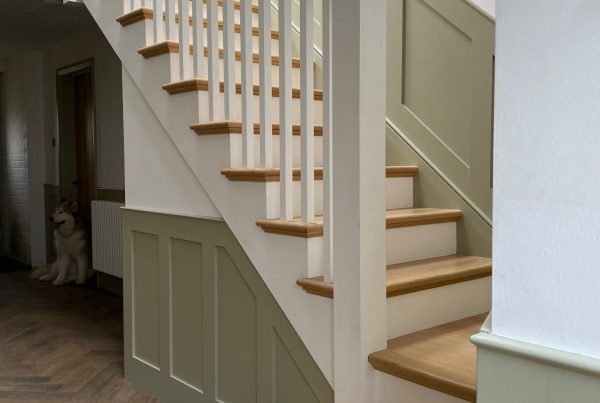
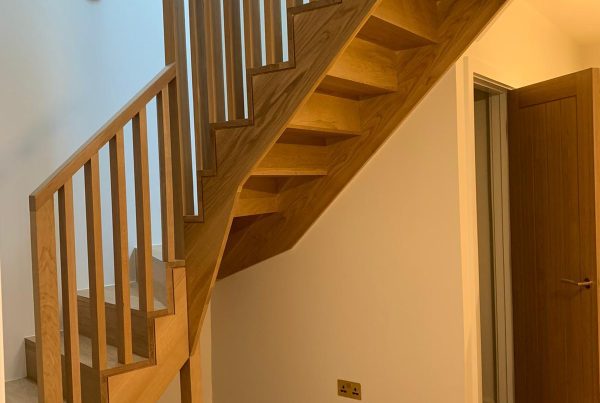
Installing a staircase
-
Creating storage spaces or cupboards
-
Laying flooring
-
Partitioning areas with stud walls
So long as the external appearance of your property isn’t altered significantly, these internal improvements fall outside the scope of planning control.
Key Conditions and Restrictions
Even if your plans fall under permitted development, there are still important conditions you must follow:
1. No Extension Beyond the Plane of the Roof Fronting a Highway
Any extension that projects forward of the main roof slope, especially towards a road, will almost certainly require planning permission.
2. Roof Height Cannot Be Increased
You cannot raise the height of the roof under permitted development. Any proposal involving a higher ridge line will need full planning permission.
3. Side-Facing Windows Must Be Obscure Glazed
If you’re adding windows to the side of your roof, they must be:
-
Obscure-glazed (to maintain privacy)
-
Non-opening below 1.7 metres from the floor level
This condition helps protect your neighbours’ privacy.
4. Listed Buildings and Conservation Areas
If your property is:
-
In a Conservation Area
-
A Listed Building
-
In a National Park, Area of Outstanding Natural Beauty (AONB) or World Heritage Site
Your permitted development rights may be restricted or removed entirely. In these cases, you will almost certainly need planning permission before making changes to your roof or loft space.
5. Removal of Permitted Development Rights
Some newer homes (especially on housing estates) have had permitted development rights removed by the local council through an Article 4 Direction. Always check with your Local Planning Authority (LPA) before starting work.
Do I Need Building Regulations Approval?
Yes. Even if your loft project does not require planning permission, you must comply with Building Regulations to ensure safety and performance. This includes:
-
Structural strength of new floor
-
Fire safety, including escape routes and fire-resistant materials
-
Staircase access
-
Sound insulation
-
Thermal insulation and ventilation
A Building Control Officer or approved inspector must inspect and sign off the work at key stages.
Should I Apply for a Certificate of Lawfulness?
While not mandatory, it is strongly recommended to apply for a Certificate of Lawfulness (Proposed Use or Development) from your LPA before you start.
This is a legal document confirming that your loft conversion falls within permitted development. It provides peace of mind and will be useful if you sell your home in future.
When Will I Need Planning Permission for My Loft?
You will need full planning permission if:
-
You plan to raise the roof height
-
You’re building dormers that face a highway
-
The volume exceeds the permitted cubic metre limits
-
Your home is in a protected area with restricted PDR
-
You want to add a balcony, terrace or raised platform to the loft
-
You plan major external alterations not covered by PDR
Final Thoughts
Transforming your loft is a smart and often straightforward way to expand your living space—whether you’re planning a new bedroom, home office, or even a master suite. And thanks to Permitted Development Rights, many homeowners can do so without the need for full planning permission.
That said, it’s essential to understand the limits of these rights, comply with building regulations, and seek professional advice if you’re unsure.
Top Tip:
Always check with your local planning authority before starting work, even if you believe your project is permitted. Local interpretations can vary, and a quick conversation could save you a costly mistake.
Need Help with a Loft Staircase?
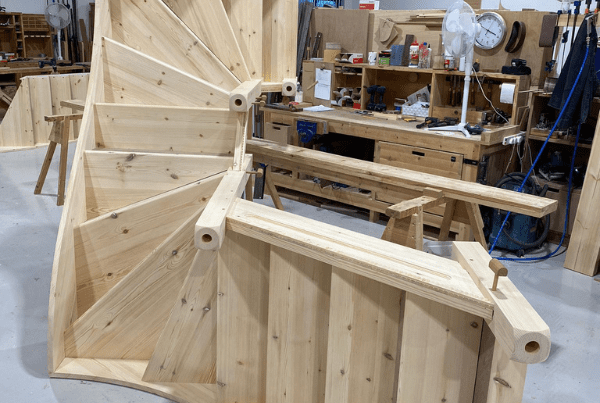
If you’re converting your loft and need a traditional or modern timber staircase designed to comply with regulations and match your home’s style, we specialise in high-quality, handcrafted staircases for loft conversions across London and beyond.
Contact us today for a free consultation or try our online staircase builder tool.