Can I Put a Staircase Up to My Loft?
Can I put a staircase up to my loft? Converting a loft into a usable space is one of the most popular home improvement projects in the UK. Whether you’re dreaming of a master bedroom with an en suite, a home office, or an extra lounge, the key to unlocking your loft’s potential lies in one crucial component: access. So, the big question is — can you put a staircase up to your loft?
The short answer is yes — in most cases, you can. But the full answer depends on a range of practical, legal, and design considerations. In this blog, we’ll explore everything you need to know about adding a staircase to your loft in the UK.
1. Loft Use: Storage or Habitable Space?
Before you even consider the type of staircase to install, you need to ask yourself: what will the loft be used for?
-
Storage Only: If the loft is only for occasional storage, a retractable loft ladder may be sufficient. These are inexpensive and don’t require major structural changes.
-
Habitable Room: If you plan to convert the loft into a bedroom, office, or other habitable room, a permanent staircase is essential. In the UK, Building Regulations require safe and reasonable access to any habitable room, and a pull-down ladder won’t meet these standards.
2. Building Regulations and Legal Requirements
Any loft conversion that includes a permanent staircase must comply with Building Regulations. These are set out in Approved Document K (Protection from Falling), Approved Document B (Fire Safety), and Approved Document L (Conservation of Fuel and Power), among others.
Here are the main staircase-related requirements you need to consider:
-
Headroom: You must allow at least 2 metres of headroom at the centre of the staircase and on the landing. In some cases, the headroom can be reduced to 1.9 metres where there’s no practical alternative.
-
Pitch: The staircase pitch (steepness) must not exceed 42 degrees.
-
Width: There’s no minimum width set in Building Regulations, but a common standard is around 600-900mm. Narrower staircases may be allowed in tight spaces, but wider stairs are safer and more comfortable.
-
Handrails and Balustrades: Required for safety, especially if the staircase is open on one or both sides.
-
Fire Regulations: If the new loft room becomes a bedroom, you’ll usually need to ensure the entire escape route from the top floor to the front door meets fire safety standards. This might involve fitting fire doors to all habitable rooms off the staircase, adding smoke alarms, and upgrading the staircase enclosure.
It’s essential to work with a qualified architect or builder who understands the regulations and can liaise with your local building control officer.
3. Planning Permission: Do You Need It?
In many cases, loft conversions fall under Permitted Development Rights, meaning you don’t need full planning permission — especially if the staircase is built within the existing footprint of your home.
However, you may need planning permission if:
-
You live in a listed building or conservation area.
-
The staircase design significantly alters the appearance of your home.
-
You’re planning a large dormer extension or raising the roof height.
It’s always wise to check with your Local Planning Authority (LPA) before starting work.
4. Where Will the Staircase Go?
Space is the biggest challenge when adding a staircase to a loft. Ideally, you want to position the stairs over your existing staircase — a layout known as a “stacked staircase” — to save space and simplify the escape route.
Other layout options include:
-
Replacing part of a bedroom: This can work in larger homes where a small corner can be sacrificed.
-
Over a hallway: Works well in Victorian or Edwardian homes with generous landings.
-
Spiral staircases: These can be a space-saving solution but may not always comply with Building Regulations if the loft becomes a bedroom.
It’s vital to strike a balance between space-efficiency, aesthetic appeal, and compliance.
5. What Type of Staircase Should I Choose?
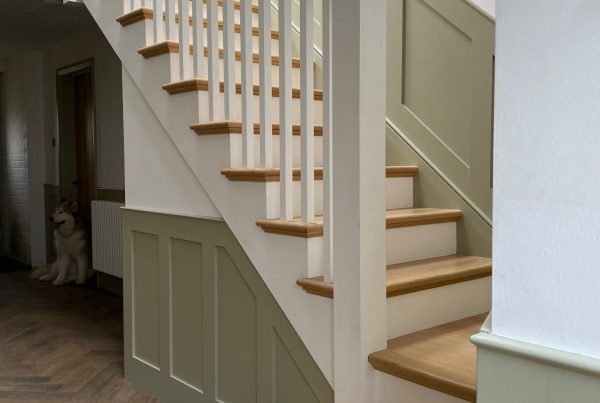
Once you know where the staircase will go, you can begin exploring design options. Popular staircase types for loft conversions include:
Straight Staircase
-
Simple, practical, and often the easiest to construct.
-
Requires a lot of linear space.
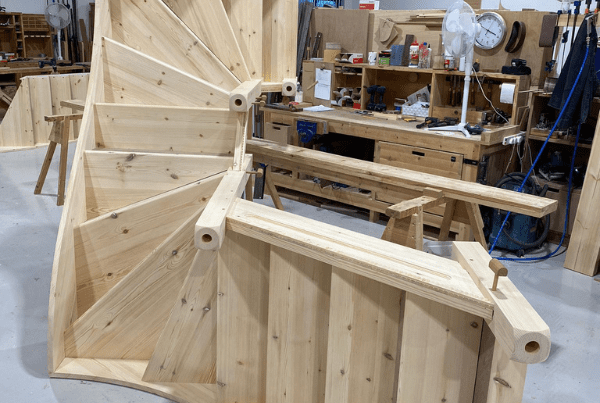
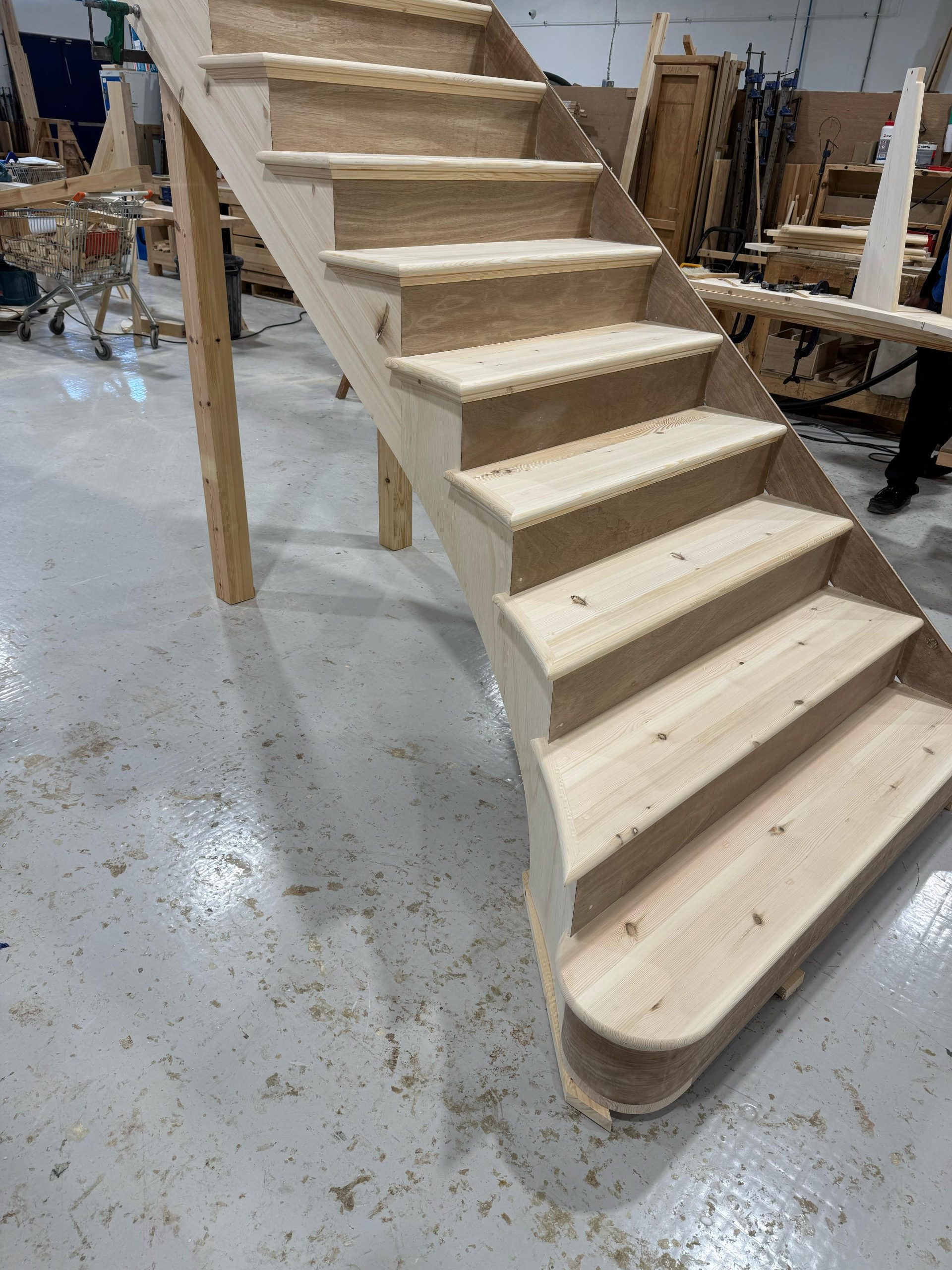
Winder Staircase
-
Turns corners without the need for a landing.
-
Useful in tight spaces and can look attractive.
Spiral Staircase
-
Highly space-saving.
-
May not be suitable as the primary access for bedrooms due to regulation concerns.
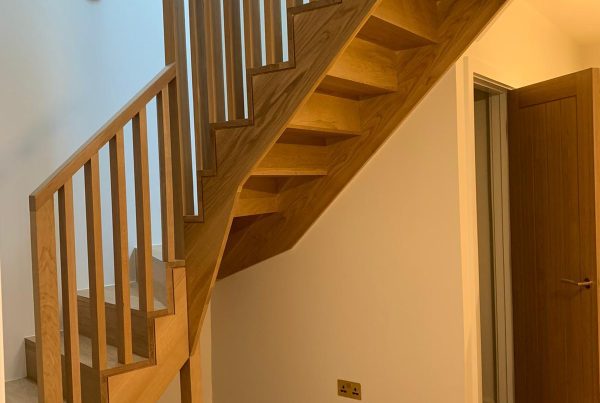
Alternating Tread Staircase (Paddle Stairs)
-
Space-saving, steep stairs with staggered treads.
-
Only allowed under specific conditions, usually for access to a single room or occasional-use spaces.
Your choice should align with both space availability and Building Control approval.
6. Structural Considerations
Adding a staircase involves more than just design; it can mean altering floors, ceilings, and walls.
-
Joists may need strengthening or cutting to create the stair opening.
-
You’ll need to consider supporting walls and ensure no load-bearing structures are compromised.
-
Professional structural calculations are usually required, especially if you’re removing parts of the ceiling or building new support elements.
A qualified structural engineer or designer should always be involved in this phase.
7. Cost of Adding a Staircase to Your Loft
The cost of installing a staircase to your loft can vary widely depending on:
-
Staircase style and materials (timber, metal, bespoke vs. off-the-shelf)
-
Structural changes required
-
Finishes and detailing (balustrades, handrails, paintwork)
-
Labour and project complexity
8. Final Thoughts: Plan Early and Design Well
Yes — you can put a staircase up to your loft, and with the right planning, it can become a stunning focal point of your home.
But it’s not a DIY afterthought — it requires thoughtful design, careful structural planning, and strict adherence to Building Regulations. Whether you’re working with an architect, builder, or staircase manufacturer, involve them early in the process so your staircase isn’t just functional — it’s beautiful too.
Need Help with a Loft Staircase?
If you’re considering a traditional timber staircase that complements your home’s architectural style, our team specialises in bespoke staircase design and manufacture, tailored to UK homes — from Georgian to modern. Get in touch today to discuss your project or try our online staircase builder tool.